
Is Buying an SUV for City Driving a Big Mistake?
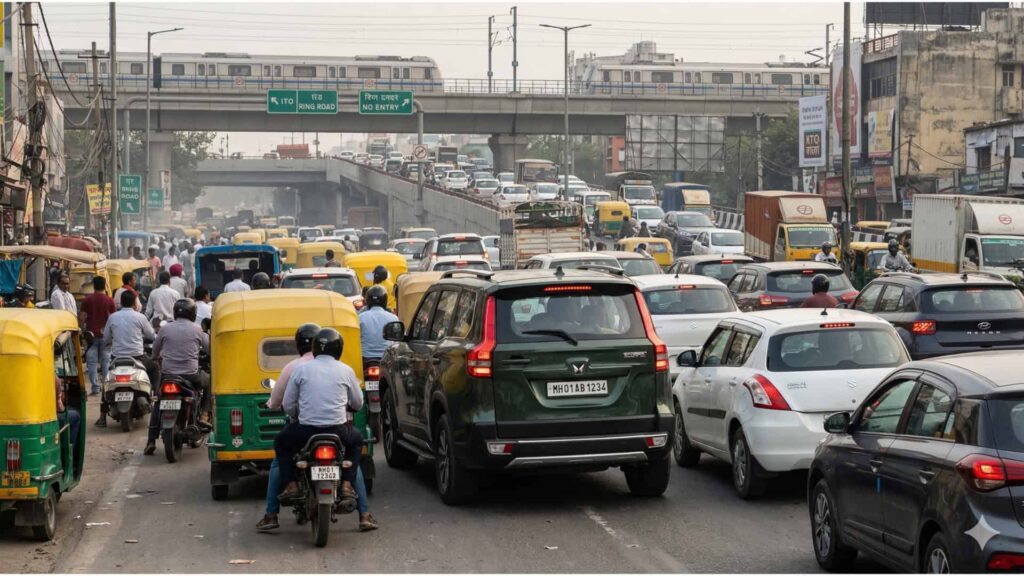
Nowadays, if you look at the roads of any city, one thing is very clear — the number of SUVs is increasing rapidly. Earlier, hatchbacks and sedans were more common, but now people prefer buying bigger SUVs. Many people choose SUVs because of their status symbol, strong road presence, and perceived safety. But the real question is — is owning an SUV really a smart choice for daily city use? If you are planning to buy an SUV and your usage will mostly be in the city, this article can be very helpful. Because behind the shine and appeal of SUVs, there are some realities that people often realize later. Let’s understand the pros and cons of owning an SUV in the city. 1. Higher Driving Position & Better Visibility One of the biggest advantages of an SUV is its high driving position. When you drive an SUV, you get a much better view of the road compared to smaller cars. In traffic, you can easily judge what’s happening ahead. Especially in Indian cities, where traffic can be unpredictable, this higher seating position gives you more confidence and control. That’s why many first-time SUV drivers feel more secure on the road. 2. Less Worry on Bad Roads & Speed Breakers In most Indian cities, roads are not perfect. There are speed breakers and unexpected potholes. SUVs come with higher ground clearance, which helps a lot in such conditions. If your city roads are not in great condition, an SUV can make your driving experience stress-free. 3. Big Size Can Be a Problem in City Traffic Now let’s talk about a reality people often ignore before buying an SUV. SUVs are large in size, which can become a problem in crowded city areas: If your daily commute involves congested areas, a small hatchback might feel much easier to drive than an SUV. 4. Parking is Not Always Easy Parking is another important factor to consider before buying an SUV. Cities already have limited parking space, and larger SUVs can make things difficult: If your home or office has limited parking, this is something you must think about seriously. 5. Mileage & Running Costs Can Be Higher SUVs are usually heavier and come with more powerful engines. This often leads to higher fuel consumption compared to smaller cars. In city driving conditions with traffic and signals, mileage can drop even further. Additional costs include: If you are on a tight budget and mainly drive in the city, these costs can matter a lot. 6. Then Why Do People Still Prefer SUVs? Despite all these challenges, SUVs continue to grow in popularity. The reasons are quite clear: That’s why many people still prefer owning an SUV, even if their usage is mostly in the city.
5 SUVs in India That Owners Regret Buying Within 6 Months
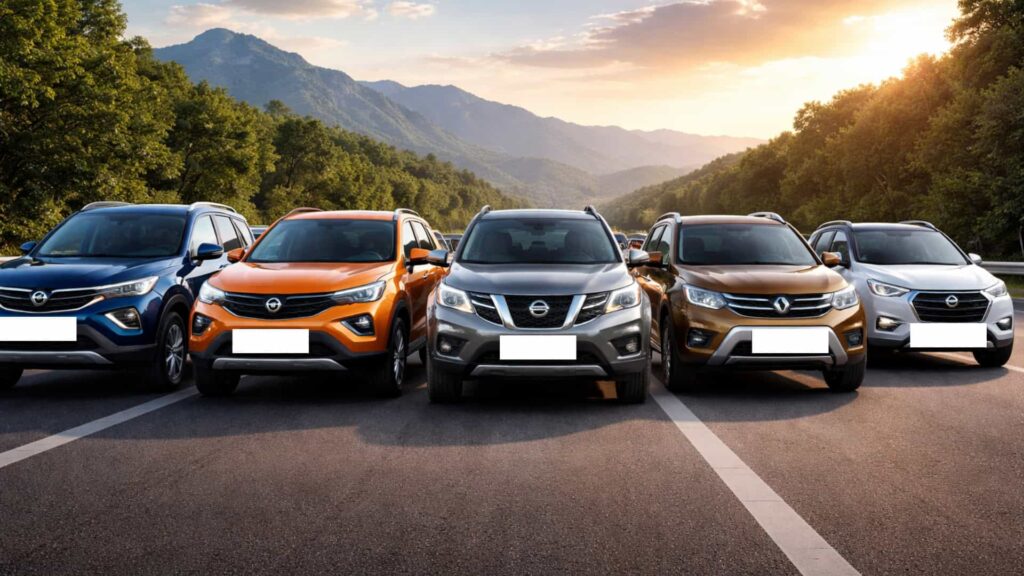
The craze for SUV cars in India has grown rapidly over the past few years. Today, almost every second car buyer dreams of owning an SUV. SUVs have a bold and powerful look. One major reason behind their popularity is their high ground clearance, and people believe that SUVs are more powerful and premium. But the reality is a bit different. Many people buy SUVs just based on looks and marketing. Within 6 months, they start facing several issues. Before writing this article, I spoke with multiple car owners and also analyzed automobile forums and user reviews. Based on this research, some SUV models stand out that tend to disappoint buyers quite early. In this article, we will talk about 5 such SUVs that many buyers regret purchasing. Tata Safari- The Tata Safari has been an iconic SUV in the Indian market. It is known for its strong image and road presence. The new Safari looks attractive and premium. However, the ownership experience hasn’t been great for some users. Additionally, service center experiences in some cities have been disappointing, with long waiting times for spare parts. This leads to dissatisfaction among some buyers. 2. Tata Harrier The Tata Harrier is another popular SUV with a modern and sporty design. It looks premium and initially saw strong sales. However, several users have reported issues: Also, some owners found the maintenance cost higher than expected. These issues have led to a decline in customer satisfaction. 3. Nissan Terrano The Nissan Terrano was once considered a good option in the SUV segment. However, its popularity has declined over time. Compared to modern SUVs, its design also feels outdated. Many buyers now avoid it, and some owners look for better alternatives later. 4. Renault Duster The Renault Duster was once one of the most popular SUVs in India and revolutionized the segment. But over time, it has lost its appeal: Today’s SUVs offer: Duster lacks many of these, making it feel outdated to new buyers. 5. Nissan Magnite The Nissan Magnite gained popularity due to its pricing and design when it launched. However, user feedback has been mixed: Some users have also raised concerns about build quality. While not everyone faces this issue, it does affect buyer perception. Conclusion- Buying an SUV has become a trend today. But not every SUV is suitable for everyone. Some cars look great but don’t perform well in daily usage. However, every owner’s experience can be different. That’s why proper research before buying a car is extremely important. The right information helps you make the right decision—and prevents regret later.
The Real Reasons Behind Low Mileage That Most People Ignore
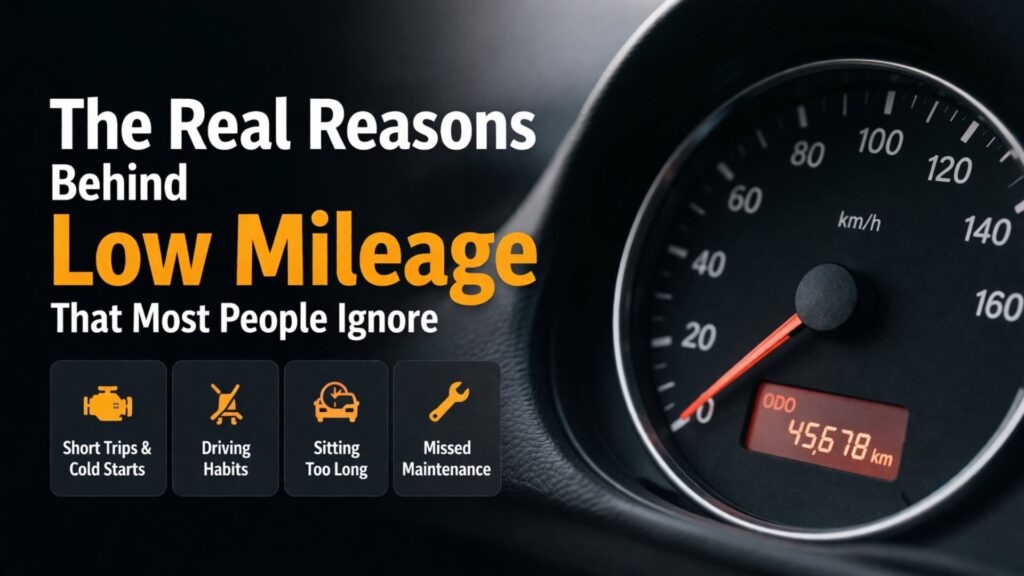
Nowadays, fuel prices, whether petrol or diesel are constantly rising. That’s why every car owner wants their vehicle to deliver good mileage. However, many times it happens that the car does not give the mileage claimed by the company. In such cases, people often blame the manufacturer. But the truth is, in many situations, the real reason behind low mileage lies in our own habits. These small but important factors are often ignored. If you also feel that your car’s mileage has dropped, here are some commonly overlooked reasons you should know: 8 Common Reasons Behind Low Mileage That People Mostly Ignore: 1. Poor Driving Habits Many drivers tend to accelerate aggressively. Frequent hard acceleration puts extra pressure on the engine, increasing fuel consumption. For example, if you speed up suddenly at every traffic signal, your engine burns more fuel. Instead, smooth driving can significantly improve mileage. Experts also suggest maintaining a steady speed for better fuel efficiency. 2. Low Tyre Pressure This is one of the most common mistakes people make. When tyre pressure is low, the engine has to work harder to move the car forward. As a result, fuel consumption increases and mileage drops. According to auto experts, maintaining proper tyre pressure can improve mileage by 3–5%. So, it’s a good habit to check tyre pressure every 10–15 days. 3. Delayed Car Servicing Many people service their car regularly at the beginning but start delaying it over time. Old engine oil reduces engine efficiency, and a dirty air filter restricts airflow to the engine. Both these factors negatively impact mileage. Always follow the company’s recommended service schedule. 4. Carrying Unnecessary Weight A lot of people keep extra, unnecessary items in their cars—like heavy tools, extra bags, or other सामान. The heavier your car is, the harder the engine has to work, which directly affects mileage. Try to keep only essential items in your car. 5. Driving in the Wrong Gear This issue is especially common among new drivers. Driving in a higher gear at low speed puts strain on the engine. Similarly, driving at high speed in a lower gear also increases fuel consumption. Using the correct gear ensures smoother engine performance and better mileage. 6. Frequent Braking In city driving, many people accelerate quickly and brake suddenly. This constant change in speed increases fuel consumption. If you anticipate traffic and apply brakes smoothly, you can improve your car’s mileage. 7. Poor Quality Fuel Sometimes, low mileage can also be caused by poor quality petrol or diesel. Impure fuel affects engine performance. Always try to refuel from reliable and trusted fuel stations. 8. Excessive Use of AC During summers, using the car’s AC is necessary. However, running the AC continuously at a high setting puts additional load on the engine. This can slightly reduce mileage. It doesn’t mean you should stop using AC—just use it in a balanced and efficient way. Is Company-Claimed Mileage Accurate? It’s important to understand that the mileage claimed by car companies is tested under ideal conditions. In real life, factors like traffic, road conditions, and driving style are different. That’s why actual mileage is usually lower than the claimed figures. If your car is giving low mileage, it doesn’t always mean there is a major fault in the vehicle. Often, small habits are the real reason like poor driving style, low tyre pressure, skipping servicing, or carrying extra weight. By paying attention to these factors, you can significantly improve your car’s mileage.
The Real Cost of Owning a Car for 5 Years Will Shock You!
Buying a car in India is not just a necessity it’s also a dream for many people. When we decide to purchase a car, we usually focus on its ex-showroom price or on-road price. However, the reality is that the true cost of a car is not limited to what you pay at the time of purchase. After buying the car, several additional expenses start adding up over the years—such as fuel, servicing, insurance, tyres, and depreciation. This is why many people later realize that the total cost of owning a car is much higher than they initially expected. If you are planning to buy a car, it is important to understand how much it can actually cost you over 5 years. Let’s break it down in a simple way: The Real Cost of Owning a Car for 5 Years Will Shock You! 1. On-Road Price of the Car The first expense is what you pay while purchasing the car. Suppose you buy a car with an on-road price of ₹10 lakh. This price usually includes: So, you have already spent ₹10 lakh to bring the car home. But the real expenses start after this. 2. Fuel Cost If you drive around 1,000 km per month, that becomes approximately 12,000 km in a year. Assuming: Yearly fuel consumption: Yearly fuel cost: Now for 5 years: So, you may spend around ₹4 lakh on fuel alone in 5 years. 3. Service & Maintenance Every car requires regular servicing. For a mid-segment car, the yearly maintenance cost can range between ₹8,000 to ₹15,000. If we take an average of ₹12,000 per year: Keep in mind, this can increase if parts like brake pads, battery, or other components need replacement. 4. Insurance Cost The first year’s insurance is usually included in the on-road price. After that, it needs to be renewed every year. Average insurance cost: Assuming ₹10,000 annually: 5. Tyres and Miscellaneous Expenses Car tyres generally need replacement after 40,000–50,000 km. If your car runs around 60,000 km in 5 years, you may need to replace them once. Tyre replacement cost (mid-size car): Additional small expenses: These can add another: These are often ignored but still impact your overall budget. 6. Depreciation (The Biggest Hidden Cost) This is one of the most overlooked expenses. Depreciation means your car loses value over time.If you buy a car for ₹10 lakh, its value after 5 years may drop to around ₹4–5 lakh. That means You lose about ₹5 lakh in value Conclusion- This doesn’t mean buying a car is a bad decision. But it’s important to understand that a car is a depreciating asset, and it comes with several ongoing costs. Before buying a car, you should consider: If you keep all these factors in mind, you can make a smarter decision and avoid regrets later.
5 Hidden Truths About Automatic Cars Dealers Never Tell You
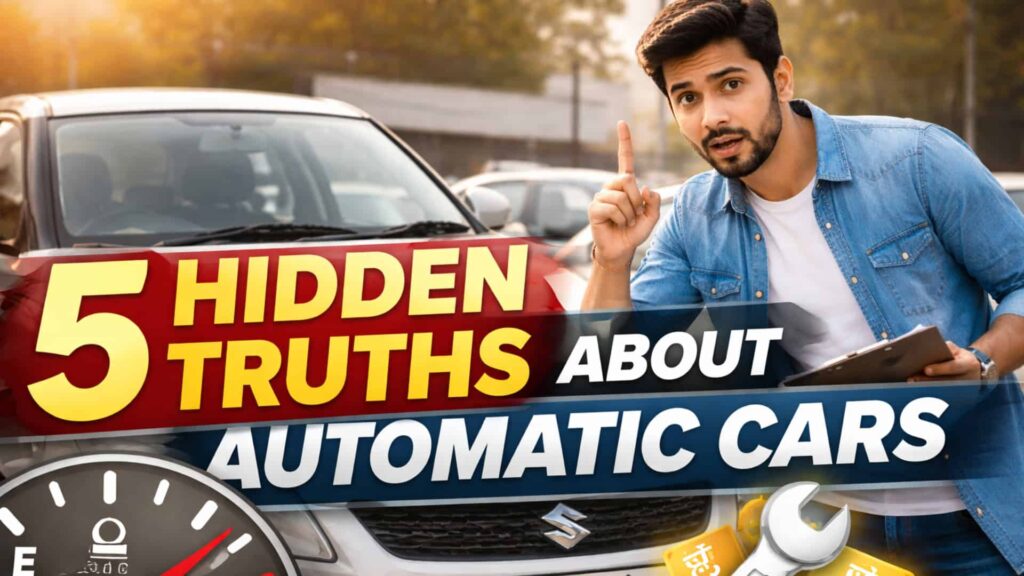
In India, the popularity of automatic cars has surged rapidly over the past few years. Previously, people would exclusively purchase manual cars. However, traffic in cities has now increased to such an extent that people are seeking a more comfortable driving experience. For this very reason, many people have started buying cars equipped with automatic transmissions. I, too, purchased a Swift automatic car some time ago. Initially, I felt it was the absolute right decision. Driving became effortless, and the hassle of constantly engaging the clutch was eliminated. However, a few months later, I came to realize certain truths—facts that car dealers rarely ever disclose to you. If you are also contemplating the purchase of an automatic car, you must read this article to determine whether or not your decision is the right one. 5 Hidden Truths About Automatic car 1. Automatic Cars Often Deliver Lower Mileage: When you go to buy a car, dealers often paint a very rosy picture regarding mileage. They claim that modern automatic cars, equipped with new technology, offer excellent fuel efficiency. While this is true to some extent, the actual real-world experience tends to be slightly different. In most cases, the mileage of an automatic car is lower than that of a manual car. There are several reasons for this: If you drive daily in heavy traffic, the mileage is likely to drop even further. In my experience, the actual mileage obtained in city driving is often 2–4 kmpl lower than the figures claimed by the manufacturer. Therefore, if fuel efficiency is a priority for you, it is crucial to understand this point upfront. 2. Servicing and Repairs for Automatic Cars Are More Expensive: There is another important factor to consider when purchasing an automatic car: its servicing and repair costs can be significantly higher than those of a manual car. The transmission system in an automatic car is quite complex. If a malfunction occurs within this system, getting it repaired is often not an easy task. Such repairs often involve components such as: A problem can potentially arise in any one of these components. Many people have also found that repairing an automatic gearbox can be quite expensive. Therefore, when purchasing a car, it is essential to understand that the convenience it offers may come with increased maintenance costs. 3. Not All Automatic Cars Are Created Equal Many people assume that all automatic cars are essentially the same. However, in reality, this is not the case. Automatic cars feature various types of transmissions, such as: Each of these offers a distinct driving experience. For instance: Many people purchase an automatic car without fully understanding these distinctions. Later, they realize that the driving experience does not live up to their expectations. Therefore, be sure to familiarize yourself with the specific type of transmission before making a purchase. 4. A Noticeable Difference in Hilly Terrain and During Overtaking – Automatic cars offer immense comfort when navigating city traffic. However, you may notice a difference in performance under certain specific conditions, such as: Some automatic cars exhibit a slight delay in response—a phenomenon many refer to as “lag.” While advancements in modern technology have significantly mitigated this issue, if you frequently drive in hilly or mountainous regions, it is still crucial to carefully evaluate the car’s power output and transmission type. 5. Driving Is Indeed Comfortable, But It Requires Adjusting Your Habits – The greatest advantage of an automatic car is the sheer comfort it offers while driving. You no longer have to repeatedly engage the clutch pedal. Navigating through traffic becomes effortless, though it may take a little time to get used to initially. Many drivers accustomed to manual transmissions often find themselves, in the beginning: However, within a few days, this new way of driving becomes second nature. In my experience, driving feels completely natural and intuitive within approximately one to two weeks. Is buying an automatic car the right decision? Many people ask this question. In my experience, the answer depends on your specific needs. If you do most of your driving within the city or spend a significant amount of time in traffic, an automatic car can be an excellent choice. This is because it allows you to avoid the hassle of shifting gears, ensuring a comfortable driving experience. However, if your priorities are higher fuel efficiency, lower maintenance costs, and a sporty driving experience, a manual car could also be a good option. This is because the true thrill of an automatic car is typically only realized when driving a vehicle equipped with a powerful, heavy-duty engine; you generally won’t get that same level of excitement in the standard or mid-range segments.
Don’t Buy Used Car Before Checking These 25 Things
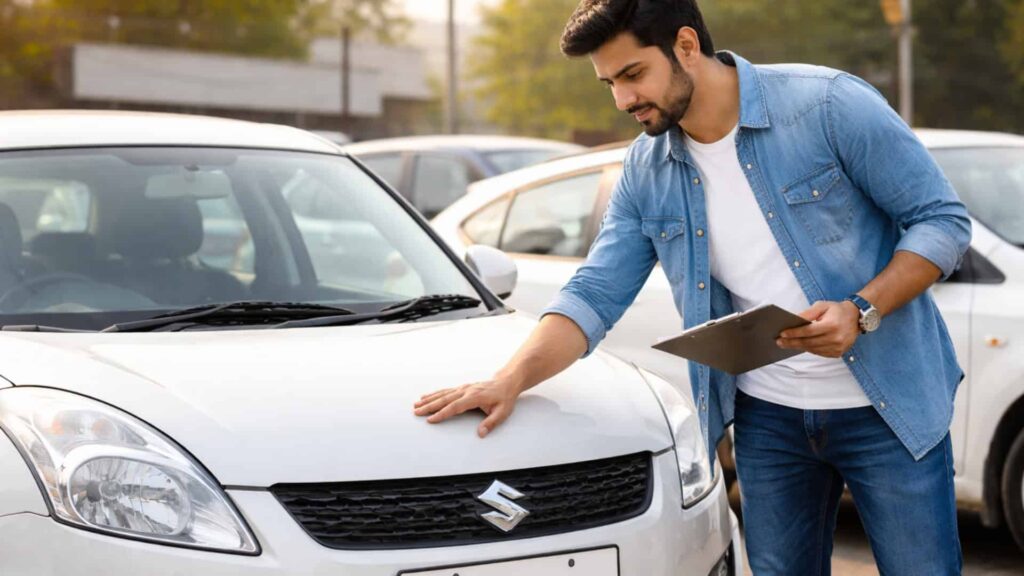
When you are planning to buy a used car in India, It can be an exciting yet tricky process. Whether you’re looking for a budget-friendly first car or upgrading to a better model, online car marketplaces have made it easier than ever to browse options right from your home. Platforms like CarDekho, Spinny, OLX Autos, Cars24, and CarTrade offer thousands of listings with detailed photos, verified sellers, and transparent pricing. However, not every used car listed online tells the full story. A shiny photo and an attractive price might hide a vehicle’s accident history, odometer tampering, or mechanical issues. That’s why it is very important to know how to check a second-hand car before buying online. In this detailed guide, I have summarized my decades of experience. Here, we’ll cover 25 expert tips that will help you inspect. After that, you will gain enough confidence to buy a pre-owned car online in India. Check a Second-Hand Car Before Buying in India 1. Start with a Reliable Marketplace Whenever you are thinking about buying a car, you should always go with verified platforms like CarDekho, Cars24, or manufacturer-backed certified outlets like Maruti Suzuki True Value and Hyundai H Promise. These platforms follow inspection protocols and provide verified vehicle histories. Avoid random classified ads or social media listings unless the seller can prove authenticity. Also, this platform offers a 7 days moneyback guarantee unlike the local vendors. So if you have purchased a vehicle and later you are finding a glitch on it. You will always have an option to return it without any hassle. 2. Verify Seller’s Identity Whenever you are going to buy a car, First of all, you should confirm whether the seller is a dealer, individual, or company. If they are an individual or local dealer, you need to for valid ID proof and ownership documents. Genuine sellers are transparent; shady ones often avoid sharing personal details or rush you for payment. 3. Check the Car’s Registration Certificate (RC) Once you verify that the owner or dealer is genuine, you should proceed for next step. That is to verify the car’s RC and other documents like- Insurance etc. Once you will get the RC from the seller, you can go to the https://parivahan.gov.in/ and verify the details. If you find anything suspicious, do not proceed with buying. 4. Use the Vehicle History Report After verifying the RC, it’s time to check the vehicle history. Many portals and agencies provide a vehicle history report by checking the VIN (Vehicle Identification Number). If you want to check it by yourself, you can take the help from Droom or cars24 portal. Now some of you might be confused about what you should check in the history. Well, here is the detailed list, that you must check. 5. Match the Odometer Reading with Service Records Often this has been seen, when someone sells their car, they often temper their odo meter. So that, they can show that it is a less driven car and get the maximum value of it. But you can easily challenge them by asking about servicebook. Once you get the service history records from an authorized service center, you can compare the odo meter reading. If you find a sudden drop or mismatch, it indicates odometer fraud. In that case, you should be very careful while purchasing the car. 6. Evaluate the Car’s Age and Depreciation We all know that a car is a depreciating asset, so if you are buying a used car, make sure that you are paying the right price for it. Often, people try to sell their car at a higher price if it is in good condition. But you need to understand that a car gets depreciation from its age. So make sure that you are not paying a high price for a second hand car. Here I have explained the depreciation value of a car by its age. Cross-check the model’s market price on websites like ZigWheels or CarDekho to see if the seller’s asking price is fair. 7. Inspect the Exterior (Through Photos and Videos) If you are planning to buy a used car from an online portal, you should request the owner to send you high-resolution pictures and videos. These videos and pictures should be from multiple angles—front, rear, sides, under the bonnet, and wheel wells. Once you will find the pictures of the car. You should inspect the following things. If the seller hesitates to share detailed visuals, consider it a red flag. 8. Ask for a 360-Degree Virtual Inspection Many top platforms now offer 360-degree car viewing. This lets you zoom into small details like panel gaps, tire wear, or scratches.Combine this with an inspection report (if available) for a better understanding of the car’s condition. 9. Check Under the Hood- When you go to buy an old car, you should ask the seller to open the hood and start the engine. Listen for irregular noises or smoke. A clean, well-maintained engine usually reflects proper care, while oily or dusty surfaces may indicate neglect or leakage. Also, if you hear any kind of irregular noises from your engine, you should show up this car to the trusted mechanic. If he confirms that everything is fine, then only you should proceed to buy. 10. Examine the Tires If you want to know, how has the car been driven before? Check its tires. Tires can reveal driving habits. Uneven tread wear might indicate alignment or suspension problems. If the tires are older than 5 years, replacement is due soon. Verify the tire manufacturing date printed on the sidewall (week/year format). 11. Analyze the Interior Condition So we have checked the exterior and documentation so far, but don’t neglect the interior condition. A clean and well-kept interior reflects how the car has been treated overall. The interior is something that gives you a vibe and confidence to drive it. Not only this, it also gives you comfort. So whenever you