
Best Electric Cars Under ₹10 Lakh in India 2026

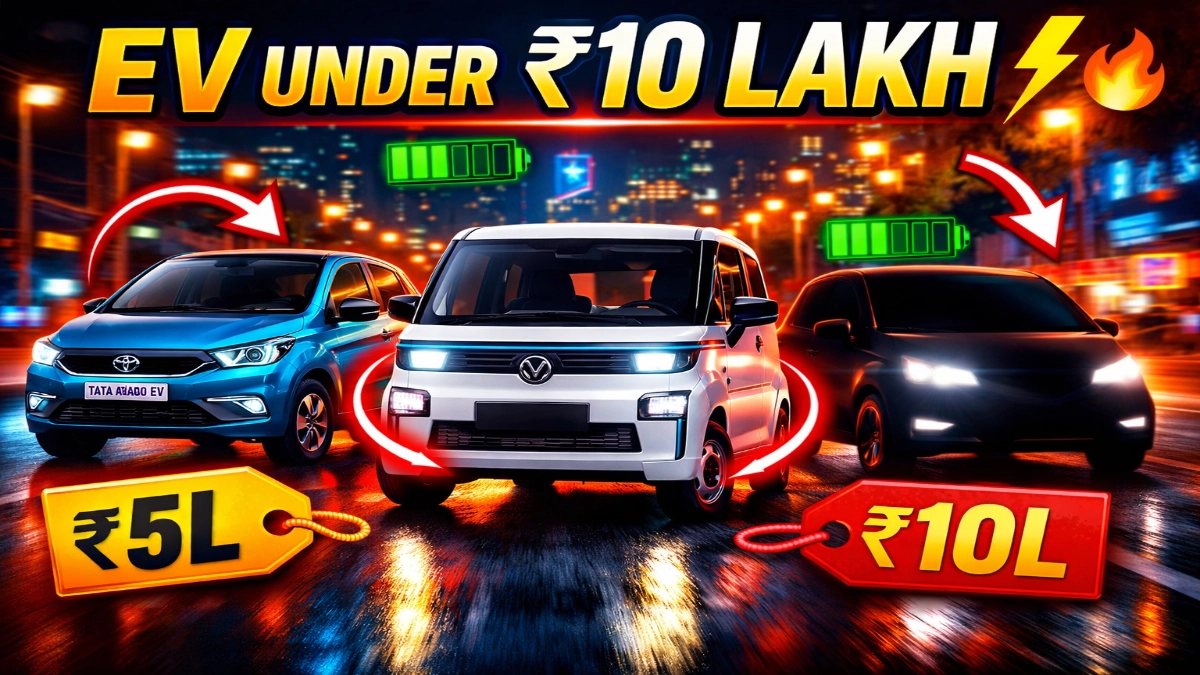
Picture this: petrol hits ₹115 per litre in your city. Your monthly fuel bill crosses ₹6,000. Your neighbour, meanwhile, drives the same distance for just ₹600 in his shiny new electric car. Sound too good to be true? It’s not. Welcome to 2026, where owning an electric vehicle in India no longer needs a fat bank account or a rich uncle. You can now buy a feature-packed electric car for less than the price of many petrol hatchbacks and the running cost will make your wallet very, very happy. India’s EV market has exploded. From just a handful of options two years ago, buyers today have a real choice of practical, affordable electric cars under ₹10 lakh. Whether you’re a daily commuter in Bengaluru battling traffic, a young professional in Lucknow buying your first car, or a family in Coimbatore tired of rising petrol bills, there is an EV under ₹10 lakh built for you. Key stat: The average Indian commuter drives 30–40 km per day. A budget EV costs less than ₹1 per kilometre to run. A petrol car? Roughly ₹7–8 per km. The savings are real. This guide covers everything you need to know from the best models and real-world range to charging costs, government subsidies and which car suits which buyer. Let’s dive in. Quick Summary: Best Electric Cars Under ₹10 Lakh in India 2026 Here’s a fast snapshot for buyers who want the answer right now: Note: All prices are ex-showroom and subject to change. ARAI range figures are under standard conditions; real-world range is typically 15–25% lower. Top Electric Cars Under ₹10 Lakh in India 2026 1. Tata Punch EV (Facelift 2026) — Best Overall Spec Details Ex-Showroom Price ₹9.69 Lakh – ₹12.59 Lakh (base variant under ₹10L) Battery Options 25 kWh (standard) & 35 kWh (long-range) ARAI Claimed Range Up to 468 km (long range); ~315 km (standard) Real-World Range ~250–355 km depending on variant & conditions Charging (AC, 7.2 kW) Full charge in ~3.6 hours (long-range) DC Fast Charging 20% to 80% in just 26 minutes Boot Space 366 litres Safety Rating 5-star GNCAP (expected) The Tata Punch EV facelift launched in early 2026 is arguably the most exciting budget EV launch in recent Indian automotive history. Tata slashed prices significantly, bringing the base Smart variant to under ₹10 lakh, while delivering a proper SUV feel with higher ground clearance, spacious cabin and excellent real-world range. The 2026 facelift adds ventilated front seats, an electric sunroof, automatic climate control and a height-adjustable driver’s seat, features previously seen only in cars costing much more. The Battery-as-a-Service (BaaS) scheme lets you buy the car without the battery (lowering upfront cost) and pay just ₹2.6 per km for battery usage, making ownership even more accessible. Pros: Cons: Best Suited For: Daily commuters in Tier 1 and Tier 2 cities, small families, first-time EV buyers wanting an SUV-like feel. 2. Tata Tiago EV — Best Family Hatchback EV Spec Details Ex-Showroom Price ₹7.99 Lakh – ₹11.14 Lakh Battery Options 19.2 kWh (Medium Range) & 24 kWh (Long Range) ARAI Claimed Range 250 km (MR) / 315 km (LR) Real-World Range ~190–240 km in city conditions Charging (AC, 3.3 kW) Full charge in ~8.7 hours (standard socket) DC Fast Charging Available in higher variants Boot Space 242 litres Key Features Touchscreen infotainment, auto headlamps, rain-sensing wipers The Tata Tiago EV is where India’s mass-market EV story truly began. It remains one of the most practical, value-for-money electric cars under ₹10 lakh in India in 2026. Its proven hatchback platform means buyers get a familiar, comfortable experience without any EV-specific compromises in everyday use. Real-world owners report under ₹1 per km running cost consistently. A full charge at home costs roughly ₹50–70 in electricity (depending on your state tariff), giving you 180–220 km of actual city driving. That’s enough for 5–6 days of commuting on a single charge for most Indian households. Pros: Cons: Best Suited For: Families, office commuters, first-time car buyers in Tier 2 and Tier 3 cities who want a reliable daily driver. 3. MG Comet EV — Best for City Parking & Tech Spec Details Ex-Showroom Price ₹7.50 Lakh – ₹9.56 Lakh Battery Capacity 17.3 kWh ARAI Claimed Range 230–250 km Real-World Range ~170–200 km in city Charging Time (AC) ~7 hours on standard 15A socket Fast Charging Not available Wheelbase 2,010 mm (ultra-compact) Key Features Dual 10.25-inch screens, wireless Android Auto/Apple CarPlay, Level 2 ADAS In crowded Indian cities from Pune to Patna finding parking is half the battle. The MG Comet EV wins here like nothing else. At just over 2.9 metres in length, it slips into gaps that would terrify any SUV driver. Yet inside, it punches well above its weight with dual 10.25-inch screens, wireless smartphone connectivity and Level 2 ADAS safety features. The Comet also has a rear-wheel drive layout, giving it a surprisingly playful and responsive feel in city traffic. It’s available under the BaaS scheme too, making it even more accessible for buyers in metro cities. The three-door design is its one real compromise, rear passenger access takes some effort. Pros: Cons: Best Suited For: Urban professionals, college students, second-car households in metro cities. Ideal for daily short commutes under 50 km. 4. PMV EaS-E — Best Ultra-Budget Option Spec Details Ex-Showroom Price ₹4.79 Lakh onwards Battery Capacity 9.5 kWh ARAI Claimed Range ~212 km Real-World Range ~80–120 km (realistic city use) Charging Time ~4.5 hours on standard socket Seating 2+2 (micro-car format) Key Features Touchscreen, basic connectivity, compact design Suitable For Ultra-short commutes, last-mile use If budget is your absolute priority, the PMV EaS-E breaks all barriers. Priced from under ₹5 lakh, it’s designed for India’s massive urban micro-mobility need. Think of it as a step up from a two-wheeler sheltered, comfortable and incredibly cheap to run. It’s best suited as a dedicated commuter vehicle for distances under 40 km daily, as a second car in a household, or for last-mile delivery use in urban areas.
Top Upcoming Cars in India 2026 (Latest Updates)

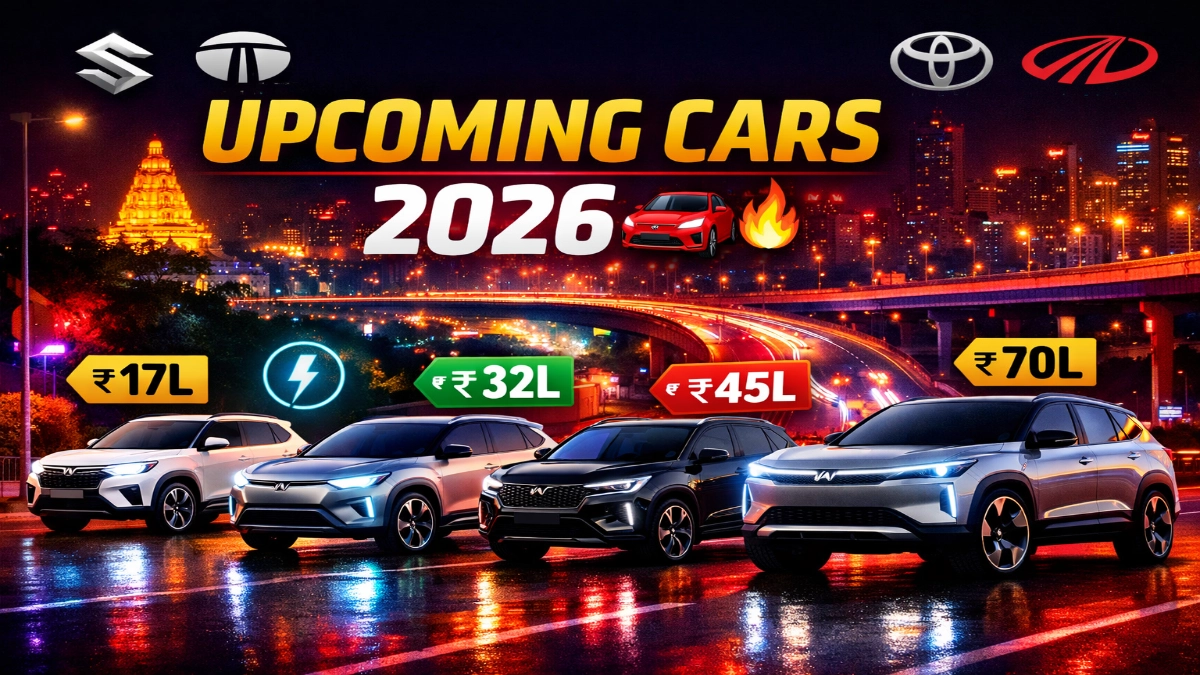
Think about this for a second. You’re stuck in Bengaluru traffic, burning Rs 120 worth of petrol just to crawl 10 kilometres. You’ve been meaning to upgrade your car for months. And now you’re hearing that almost 60 new cars are set to launch in India in 2026 alone. So the real question isn’t which car to buy, it’s should you even buy one right now? 2026 is shaping up to be a turning point for Indian car buyers. After years of talking about electric vehicles, the products are finally here and they’re actually good. Brands like Maruti, Tata, Toyota and Mahindra are launching EVs with real-world ranges above 400 km. Hybrids are getting more affordable. And SUVs? There’s a new one launching almost every month. Whether you’re a first-time buyer saving up, a family looking for more space, or an EV-curious buyer finally ready to make the switch, 2026 has something for you. Here’s everything you need to know about the top upcoming cars in India 2026, with expected prices, specs, features and honest launch timelines. Quick Overview: Top Upcoming Cars in India 2026 Car Model Expected Price Segment Fuel Type Launch Timeline Key Highlight Maruti Suzuki e Vitara ₹17–25 lakh Compact EV SUV Electric Febaury 2026 Maruti’s first EV, 543 km range Toyota Urban Cruiser Ebella ₹18–24 lakh Compact EV SUV Electric April 2026 Toyota’s first India EV Tata Sierra EV ₹17–25 lakh Compact EV SUV Electric May 2026 Iconic nameplate, modern EV Mahindra BE 07 ₹25–35 lakh Mid-size EV SUV Electric Mid 2026 Fourth Mahindra born-EV Tata Avinya X ₹25–35 lakh Premium EV Electric Late 2026 All-new platform, futuristic design Renault Duster (New Gen) ₹12–20 lakh Compact SUV Petrol/Hybrid March 2026 Iconic comeback with hybrid power Mahindra XUV 7XO ₹15–26 lakh Mid-size SUV Petrol/Diesel January 2026 Facelift of beloved XUV700 Kia Seltos (New Gen) ₹12–21 lakh Compact SUV Petrol/Diesel January 2026 Refreshed with ADAS + hybrid Skoda Kushaq Facelift ₹11–19 lakh Compact SUV Petrol January 2026 360° cam, panoramic sunroof Honda Elevate Hybrid ₹13–18 lakh Compact SUV Strong Hybrid March 2026 Class-leading fuel efficiency Maruti Brezza Facelift ₹10 lakh+ Sub-4m SUV Petrol/CNG April 2026 Popular upgrade with new features VW Taigun Facelift ₹12–19 lakh Compact SUV Petrol April 2026 Refreshed interior + ADAS Mahindra BE 07 ₹25–35 lakh Mid-size EV Electric July 2026 Sporty styling, performance EV Tesla Model 3 ₹60–70 lakh Premium Sedan Electric Dec 2026 Tesla officially enters India Skoda Enyaq iV ₹35–40 lakh Premium EV SUV Electric Dec 2026 European EV quality Top Upcoming Cars in India 2026: Detailed Look 1. Maruti Suzuki e Vitara — India’s Most Awaited EV Maruti’s first-ever electric car is finally here and it’s been worth the wait. Built on Suzuki’s new Heartect-e platform, the e Vitara is designed for Indian roads and Indian buyers. Key Features: Pros: Cons: Best For: Urban professionals, nuclear families, first-time EV buyers who value service support 2. Toyota Urban Cruiser Ebella — Toyota’s First Electric Car for India Toyota has officially entered India’s EV race. The Urban Cruiser Ebella is Toyota’s badge-engineered version of the Maruti e Vitara, but it brings Toyota’s reliability reputation, JBL audio and an 8-year battery warranty to the table. Key Features: Pros: Cons: Best For: Buyers who prioritise brand trust and long-term ownership peace of mind 3. Tata Sierra EV — The Icon Returns, Now All-Electric The original Tata Sierra was a cult classic in the 1990s. The new Sierra ICE launched in late 2025 and has already surpassed 10,000 deliveries in India. Now Tata is preparing the electric version, expected to debut in May 2026. Key Features: Pros: Cons: Best For: Tata loyalists, buyers who want an emotional purchase backed by solid tech 4. Mahindra BE 07 — The Performance EV Coming Mid-2026 Mahindra has already impressed with the BE 6, and the BE 07 is next in line. It’s a slightly larger, more premium EV SUV positioned above the BE 6. Key Features: Pros: Cons: Best For: Tech enthusiasts, performance-oriented EV buyers, urban professionals stepping up from a C-segment SUV 5. Tata Avinya X — India’s Most Futuristic EV The Avinya X is Tata’s vision of what an Indian EV should look like in 2030, launched in 2026. This is not a facelifted petrol car gone electric. It’s built from the ground up on a new-generation EV platform. Key Features: Pros: Cons: Best For: Early adopters, premium EV buyers, buyers wanting something genuinely different 6. Renault Duster (New Generation) — The Comeback Story of 2026 The Duster has cult status in India. It left our market in 2022 and its return in 2026 with a modern design and hybrid option is one of the most exciting ICE launches of the year. Key Features: Pros: Cons: Best For: Highway drivers, families upgrading from a hatchback, buyers who remember the old Duster fondly 7. Mahindra XUV 7XO — The XUV700 Gets a Powerful Upgrade Launched on January 5, 2026, the XUV 7XO is the facelifted version of the XUV700, one of the best SUVs in its price range. It keeps the powerful engine options and adds new technology. Key New Features: Pros: Cons: Best For: Families, highway commuters, buyers who want maximum features per rupee 8. Kia Seltos (New Generation) — Refreshed and More Competitive Launched in January 2026, the new Kia Seltos comes with refreshed styling, upgraded interiors, and a potential hybrid powertrain option that could make it one of the most efficient petrol SUVs in its class. Key Features: Best For: Compact SUV buyers wanting strong resale, urban families 9. Honda Elevate Hybrid — The Fuel Efficiency Champion Honda is bringing the e:HEV strong hybrid system to the Elevate, and this is a big deal for fuel-conscious Indian buyers. The same system in the City Hybrid delivers outstanding real-world mileage. Key Features: Pros: Cons: Best For: Daily city commuters, fuel-cost-conscious families, hybrid believers 10. Maruti Suzuki Brezza Facelift — Affordable SUV Gets Better The Brezza is one of India’s best-selling SUVs. The 2026 facelift is
SUV Vs Sedan: Which Car Should You Buy?

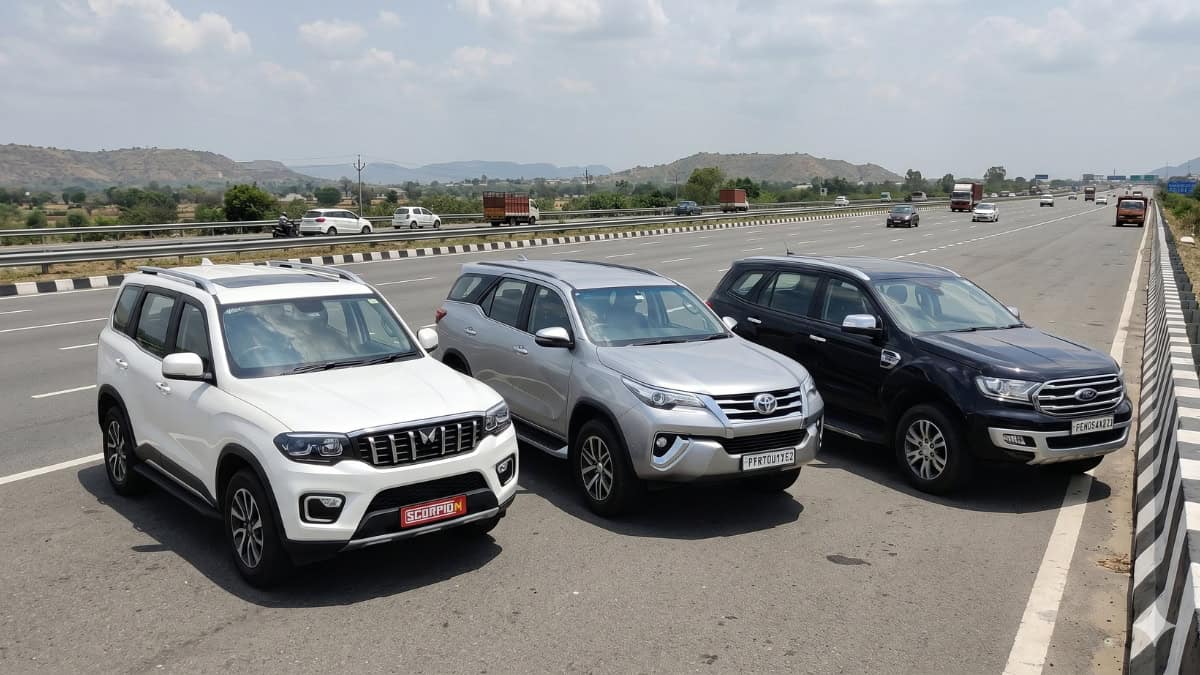
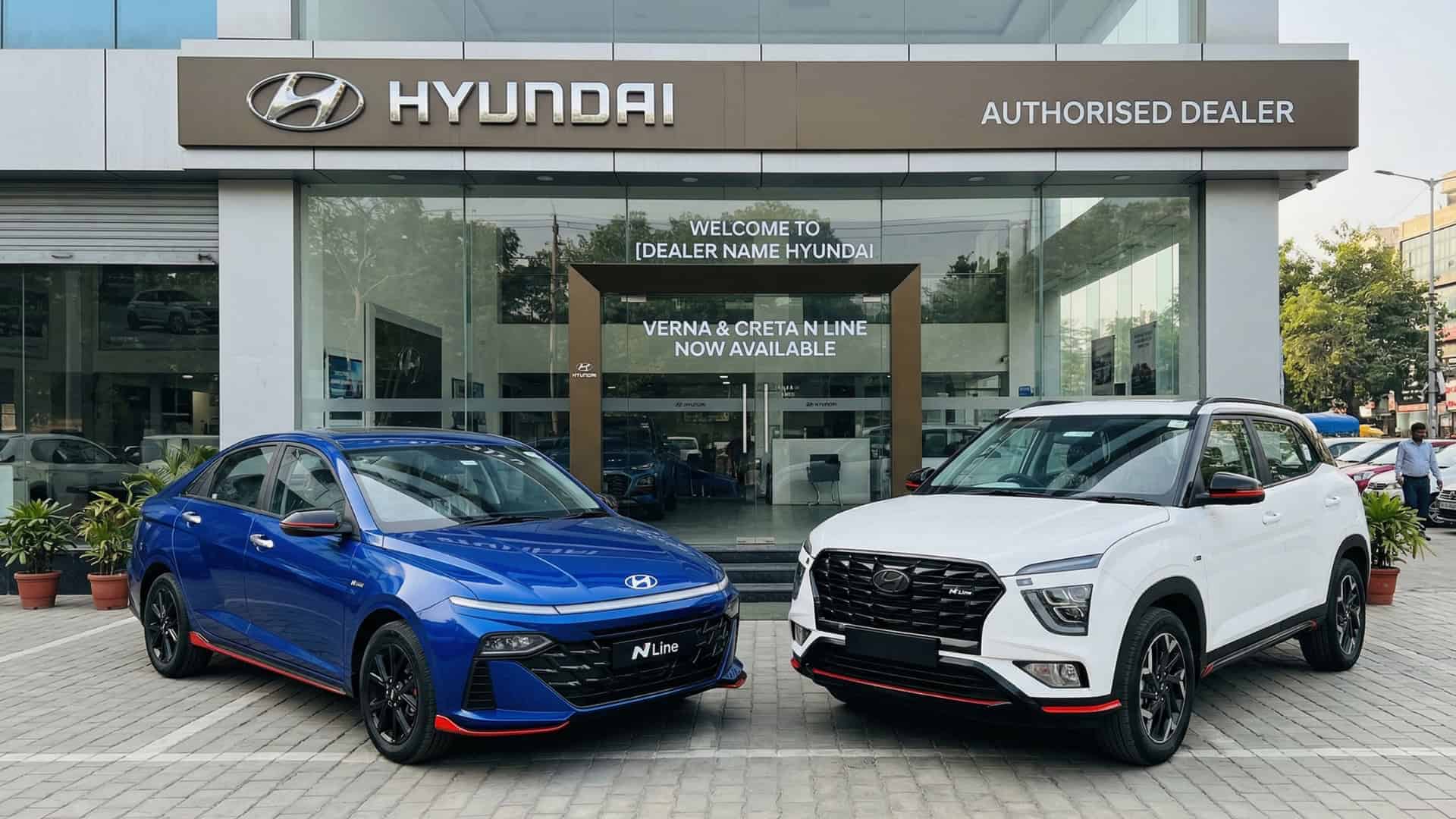
When it comes to buying a car, the biggest question facing Indian customers is: Should I buy an SUV or a Sedan? Cars in both segments have their own distinct advantages and drawbacks, and your choice depends entirely on your specific needs, budget, and priorities. In this article, we will conduct an in-depth comparison between SUVs and Sedans to help you make an informed decision before purchasing your next car. 1. Differences in Design and Aesthetics SUVs (Sport Utility Vehicles) are characterized by their large, tall, and commanding appearance. Their boxy and muscular aesthetic appeals to many particularly the youth and those who desire a strong, imposing presence on the road. In contrast, Sedans feature a more aerodynamic, stylish, and elegant design. They typically possess lower ground clearance, making them perfectly suited for city driving and highway cruising. If you are looking for a robust and tall vehicle, an SUV is the better choice. If you prefer style and understated elegance, opt for a Sedan. 2. Performance and Driving Experience SUVs are generally considered superior for off-roading, navigating rough terrain, and driving in rural areas. Thanks to their heavy-duty body structure and high ground clearance, they handle uneven and rugged paths with ease. Sedans, on the other hand, are engineered for smooth roads. They offer excellent driving dynamics—meaning they provide superior stability and minimal body roll, even at high speeds. If you desire a smooth driving experience within the city and on highways, choose a Sedan; however, if you require a vehicle capable of handling all types of road conditions, an SUV is the way to go. 3. Space and Comfort SUVs offer generous headroom, legroom, and a larger boot (trunk) capacity. This makes them ideal for long-distance travel with family. Additionally, the elevated seating position provides the driver with a commanding view of the road. Sedans are also comfortable, particularly for rear-seat passengers. However, in terms of overall height and interior spaciousness, they fall slightly short when compared to SUVs. If you prioritize maximum space and a higher seating position, an SUV is the better option. However, for a comfortable and pleasant ride, a Sedan remains an excellent choice. 4. Mileage and Fuel Efficiency Sedans are generally lighter and feature smaller engines, resulting in better mileage. In urban areas characterized by heavy traffic, Sedans prove to be highly fuel-efficient. SUVs are heavier and equipped with larger tires, which typically results in lower mileage. However, numerous compact SUVs have now entered the market that offer excellent fuel efficiency. 5. Price and Maintenance The initial purchase price of an SUV is generally higher than that of a Sedan. Furthermore, due to their larger tires, robust suspension systems, and heavier body structures, SUVs also incur higher maintenance costs. Sedans offer more affordable maintenance, and their overall running costs are lower. If you are looking for a car that fits within a specific budget, a Sedan can be an excellent choice. 6. Safety SUVs are larger in size and possess a commanding road presence, which provides a certain degree of protection in the event of a collision. Additionally, modern SUVs are increasingly being equipped with advanced safety features such as ESP (Electronic Stability Program), Hill Assist, and six airbags. While Sedans also come equipped with safety features, their lighter body structure may result in slightly reduced crash protection compared to SUVs. Consequently, due to their larger dimensions and sturdy body construction, SUVs are generally considered to be slightly safer. Both SUVs and Sedans offer their own distinct advantages. If you have a somewhat flexible budget and are looking for a robust vehicle capable of handling various terrains, an SUV makes for an excellent choice. However, if you are working with a tighter budget and desire a stylish car optimized for city driving and superior mileage, opting for a Sedan would be a prudent decision.
Best mileage cars under ₹4 lakh (used market)

Fuel prices in India continue to rise and for daily commuters, every kilometre matters. Whether you’re driving to work, college, or running family errands, fuel efficiency directly impacts your monthly budget. That’s exactly why buying a used car under ₹4 lakh is one of the smartest financial decisions in 2026. Instead of stretching your budget on a new car with EMI pressure, you can: If your goal is maximum mileage + minimum cost, this guide is built for you. Quick Summary Table: Best Mileage Cars Under ₹4 Lakh Car Model Mileage (km/l) Fuel Type Approx Used Price Best For Maruti Alto 800 22–24 Petrol ₹1.5–3.5L City use Maruti WagonR 20–23 Petrol/CNG ₹2–4L Family Hyundai Santro 18–22 Petrol/CNG ₹2–3.8L Comfort Tata Tiago 19–23 Petrol ₹3–4L Safety Maruti Celerio 23–26 Petrol/CNG ₹3–4L Mileage king Honda Brio 16–19 Petrol ₹2.5–4L Performance Datsun Redi-GO 20–23 Petrol ₹2–3.5L Budget buyers Renault Kwid 20–22 Petrol ₹2–3.8L Style Best Mileage Cars Under ₹4 Lakh (Used) 1. Maruti Alto 800 Mileage: Engine: 796cc Petrol Pros Cons Maintenance Cost ₹3,000–₹5,000/year Best For 2. Maruti WagonR Mileage: Engine: 1.0L / 1.2L Pros Cons Maintenance Cost ₹5,000–₹7,000/year Best For 3. Hyundai Santro Mileage: Pros Cons Maintenance Cost ₹6,000–₹8,000/year Best For 4. Tata Tiago Mileage: Pros Cons Maintenance Cost ₹6,000–₹9,000/year Best For 5. Maruti Celerio (Mileage Champion) Mileage: Pros Cons Maintenance Cost ₹5,000/year Best For 6. Honda Brio Mileage: Pros Cons Maintenance Cost ₹6,000–₹10,000/year Best For 7. Datsun Redi-GO Mileage: Pros Cons Best For 8. Renault Kwid Mileage: Pros Cons Best For Petrol vs CNG vs Diesel – Which Gives Best Mileage? Fuel Type Mileage Cost/km Best For Petrol 18–22 km/l ₹5–6/km Short trips CNG 28–35 km/kg ₹2.5–3/km Daily commute Diesel 20–25 km/l ₹4/km Long distance Verdict: Under ₹4 lakh, CNG cars like WagonR & Celerio are the smartest pick Real Mileage vs Company Mileage Company mileage = Ideal conditionsReal mileage = Actual driving conditions Factors Affecting Mileage: Expect 10–20% lower mileage than claimed figures. Buying Guide for Used Mileage Cars What to Check: Documents Checklist: Odometer Fraud Warning: Pro Tip: Always get the car inspected by a trusted mechanic before buying. Maintenance Tips to Improve Mileage Small habits can improve mileage by 10–15% Best Picks by Category Category Best Car Best for City Alto 800 Best for Highway Tata Tiago Best Family Car WagonR Best Mileage Celerio Lowest Maintenance Alto 800 Frequently Asked Questions (FAQs) Smart Choices = Big Savings If your priority is saving money on fuel, these cars deliver excellent value. Top Recommendations: Final Tip:Choose based on your daily usage, not just mileage numbers.
I Had to Sell My Used i20 After 2 Years – This Was the Real Reason

Many people are passionate about cars—and I’m no different. I’ve always loved sporty hatchbacks. Whenever we talk about sporty hatchbacks in India, two names instantly come to mind: Hyundai i20 and Volkswagen Polo. I had been planning to buy one for a long time. I really liked the Polo, but I was told that its maintenance is a bit expensive. That’s why I finally decided to go with a used Hyundai i20. In the beginning, everything felt great. But slowly, I started facing multiple issues. These problems kept troubling me for the next two years. Eventually, I had no choice but to sell my car. Today, I’m going to share the real reasons behind that decision. Why Did I Sale My Car In Just 2 Years ? 1. I Couldn’t Properly Check the AC While Buying the Car When I bought the car, it was winter season. During winters, it’s difficult to properly test the AC performance. I did turn it on, and it was blowing slightly cool air. I assumed everything was fine—and that’s where I made my biggest mistake. As soon as summer arrived, the reality came out. The AC wasn’t cooling properly at all. I immediately took the car to a Hyundai service center. After inspection, they told me that the AC compressor was faulty. This came as a big shock because replacing it cost me around ₹35,000. That’s when I first felt that maybe I rushed while buying a used car. 2. Steering Suddenly Became Very Tight About a month after buying the car, I faced another issue. I was driving somewhere when suddenly the steering became extremely tight. It felt like I was driving a heavy truck. I got a bit nervous. Somehow, I managed to reach a nearby mechanic. After inspection, the real issue came out. The dealer I bought the car from hadn’t serviced it properly. As a result: This was another big shock because the repair cost was again quite high. That’s when I realized how important it is to check the service history before buying a used car. 3. Dealer Cheated Me Regarding RC Transfer At the time of purchase, the dealer promised that he would handle the RC transfer for free. He just asked for one month. Initially, it sounded reasonable. But as soon as one month passed, he backed out of his promise. Now he demanded ₹10,000 for the RC transfer. I was really frustrated because he never mentioned this earlier. Eventually, I got the RC transferred through an RTO agent at a lower cost. But the whole process wasted a lot of my time and energy. 4. Driving Experience Was Fun, But Then Came a Big Shock Even today, I agree that the Hyundai i20 is fun to drive. It feels stable and offers a sporty driving experience. Once, I drove it above 140 km/h on the highway. The car felt very stable. But when I downshifted, I heard a strange noise. After that, the 2nd gear stopped working. I immediately took the car to a mechanic. After checking, he said the gearbox was damaged. This was really stressful because gearbox repairs are quite expensive. 5. Finally, I Had to Sell the Car After facing continuous issues, I was completely exhausted. All of these problems drained me mentally and financially. Finally, I decided that the best option was to sell the car. And honestly, after selling it, I felt a huge sense of relief. What I Learned from This Experience These two years taught me some important lessons. If you’re planning to buy a used car, make sure you: If I had done all these things earlier, I might not have faced so many problems.
Top 7 Family Cars under ₹7 lakh in India (Second Hand)

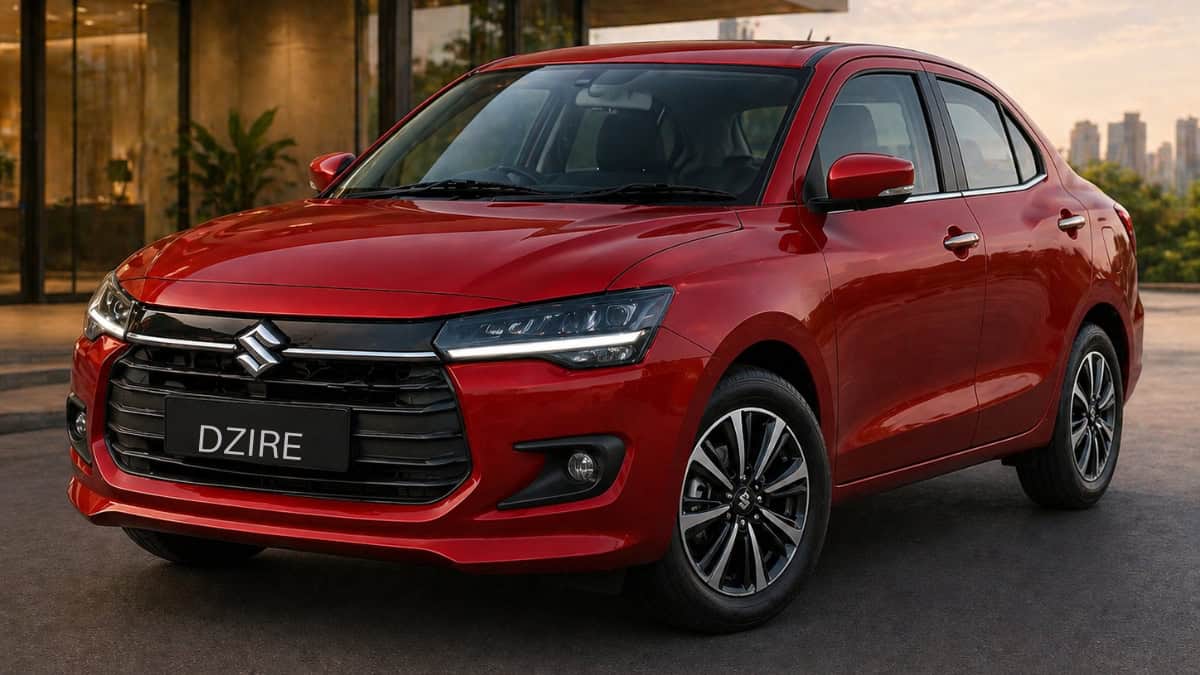
Finding the perfect family car in India under ₹7 lakh can feel overwhelming especially when you’re navigating the second-hand market. But here’s the good news: with the right approach, you can get a safe, spacious, reliable and feature-packed car without stretching your budget. This guide covers everything from best models to buying tips and ownership costs. Why Choose a Second-Hand Family Car Under ₹7 Lakh? Buying a used car in India is no longer a compromise, it’s a smart financial move. Key Benefits: With ₹7 lakh, you can easily access: How We Selected These Cars To ensure this list, we used strict criteria: Top 7 Family Cars Under ₹7 Lakh (Used) 1. Maruti Suzuki Baleno (2019–2022) Why It’s Great for Families The Maruti Suzuki Baleno is one of India’s most popular premium hatchbacks. It offers excellent space, smooth drive quality and low maintenance. Key Highlights: Pros: Cons: Price Range (Used): ₹5 lakh – ₹7 lakh 2. Hyundai i20 (2020–2022) Why Families Love It The Hyundai i20 offers a premium interior, smooth ride and feature-loaded cabin, making it ideal for urban families. Key Highlights: Pros: Cons: Price Range: ₹6 lakh – ₹7 lakh 3. Maruti Suzuki Swift Dzire (2019–2023) Why It’s a Family Favorite The Maruti Suzuki Swift Dzire is India’s best-selling compact sedan, known for comfort, reliability and fuel efficiency. Key Highlights: Pros: Cons: Price Range: ₹5 lakh – ₹7 lakh 4. Tata Altroz (2020–2023) Best for Safety-Conscious Families The Tata Altroz stands out with its 5-star Global NCAP safety rating, making it one of the safest hatchbacks in India. Key Highlights: Pros: Cons: Price Range: ₹5.5 lakh – ₹7 lakh 5. Honda Amaze (2019–2022) Ideal for Comfort & Reliability The Honda Amaze is known for its refined engine and smooth CVT gearbox, perfect for city driving. Key Highlights: Pros: Cons: Price Range: ₹5.5 lakh – ₹7 lakh 6. Renault Triber (2020–2023) Best Budget 7-Seater Family Car The Renault Triber is India’s most affordable 7-seater MPV, making it ideal for large families. Key Highlights: Pros: Cons: Price Range: ₹5 lakh – ₹6.8 lakh 7. Ford EcoSport (2018–2021) Best Compact SUV Option Even though Ford exited India, the Ford EcoSport remains a solid, safe and fun-to-drive SUV. Key Highlights: Pros: Cons: Price Range: ₹6 lakh – ₹7 lakh Comparison Table (Quick Overview) Car Mileage Boot Space Best For Baleno 20–23 km/l 339L Low maintenance i20 19–21 km/l 311L Premium feel Dzire 22–24 km/l 378L Mileage + comfort Altroz 18–23 km/l 345L Safety Amaze 18–24 km/l 420L Comfort Triber 18–20 km/l Flexible Large families EcoSport 15–21 km/l 352L SUV lovers Things to Check Before Buying a Used Family Car 1. Vehicle History 2. Mileage vs Condition 3. Ownership 4. Test Drive 5. Service Cost Best Car Based on Your Needs Small Family (4 Members) → Baleno / i20 / Altroz Family with Elders → Dzire / Amaze Large Family (6–7 Members) → Triber SUV Preference → EcoSport Manual vs Automatic Cars (Used Under ₹7 Lakh in India) Choosing between a manual and an automatic transmission is one of the most important decisions when buying a second-hand family car. Your daily driving conditions, budget and comfort expectations all play a role. Let’s break it down in a India-focused comparison: What is a Manual Car? A manual transmission car requires you to: Pros of Manual Cars Cons What is an Automatic Car? An automatic transmission car shifts gears on its own, no clutch needed. Pros of Automatic Cars Cons Manual vs Automatic – Side-by-Side Comparison Feature Manual Automatic Price (Used) Cheaper Costlier Mileage Better Slightly lower Maintenance Low Medium to high Traffic Comfort Poor Excellent Driving Effort High Low Resale Value Good Increasing demand Which One Should You Choose? (Real Indian Scenarios) Choose AUTOMATIC if: Best automatic options under ₹7 lakh (used): Choose MANUAL if: Best manual options: Real Cost Difference (Used Market Insight) Factor Manual Automatic Purchase Price ₹5–6.5 lakh ₹6–7 lakh Service Cost ₹3k–₹6k/year ₹5k–₹10k/year Gearbox Repair ₹10k–₹20k ₹40k–₹1 lakh Automatic = comfortManual = savings Types of Automatic Cars (Important) Not all automatics are the same: 1. AMT (Automated Manual) 2. CVT (Smoothest) 3. Torque Converter For family use → CVT is best choice Frequently Asked Questions (FAQs) If you’re planning to buy a second-hand family car under ₹7 lakh in India, you have excellent options across hatchbacks, sedans and SUVs. Top Picks: The key is to prioritize condition over brand and always perform a thorough inspection before buying. Pro Tip for Buyers If you’re buying in cities like Delhi NCR, Mumbai, or Bangalore:
Tips to Avoid Fraud While Buying Second-Hand Cars in India 2026

Buying a used car in India can save you a lot of money but it also comes with risks. From fake documents to hidden accident history, fraud in the second-hand car market is still very common across cities like Delhi NCR, Mumbai, Bangalore and even smaller towns. This guide is designed to give you trustworthy information so your purchase is safe, smart and scam-free. Why Fraud Happens in India’s Used Car Market The Indian pre-owned car market is largely unorganized. Many deals happen through local dealers, OLX listings or word-of-mouth. Common Reasons: According to market trends, Delhi NCR and Tier-2 cities report higher fraud complaints due to unverified sellers. Quick Summary How to avoid fraud while buying a used car in India? 20 Proven Tips to Avoid Fraud While Buying Second-Hand Cars in India 1. Verify Seller Identity First Always confirm: Avoid: Sellers claiming “I’m selling for my friend/relative.” 2. Check RC (Registration Certificate) Carefully The RC is your car’s legal identity. Verify: Ensure details match the actual vehicle. 3. Check Hypothecation (Loan Status) If the car has an active loan: Buying a car with unpaid loan = legal trouble. 4. Use Government Apps for Verification Use: You Can Check: 5. Watch Out for Odometer Fraud Odometer rollback is very common in India. Signs: 6. Always Take a Test Drive Drive the car yourself. Check: 7. Get Professional Inspection Done Hire a mechanic or service expert. Cost: ₹500–₹2000Saves: ₹50,000+ in hidden repairs 8. Check Accident History Look for: Ask directly about past accidents. 9. Verify Insurance Records Check: Multiple claims = risky vehicle. 10. Avoid Cash Deals Use: Always keep proof of payment. 11. Create a Sale Agreement Include: 12. Transfer Ownership Immediately RC transfer should be done within 30 days. Delay = legal risk + fines 13. Check Pollution Certificate (PUC) Mandatory for all vehicles in India. 14. Avoid “Too Cheap” Deals If price is unusually low, it may be: 15. Be Careful with Local Brokers Not all brokers are trustworthy. Red flags: 16. Ask for Spare Keys Missing keys = potential security risk. 17. Check Pending Challans Use online portals to verify traffic fines. 18. Inspect Tyres & Battery Extra cost often hidden. Replacement cost: 19. Fill RTO Forms Properly Important forms: Form 29 & Form 30 Explained When you buy a second-hand car in India, Form 29 and Form 30 are mandatory legal documents for transferring ownership. Many buyers ignore these or don’t fully understand them, this is where fraud often happens. Let’s break them down: What is Form 29? (Notice of Transfer) Form 29 is a notification to the RTO that the vehicle has been sold. Who Fills It? What Information is Included: Why It’s Important: Risk If Not Done: If Form 29 is not submitted: What is Form 30? (Application for Ownership Transfer) Form 30 is a request to transfer ownership from seller to buyer. Who Fills It? What Information is Included: Why It’s Important: Risk If Not Done: Form 29 vs Form 30 (Quick Comparison) Feature Form 29 Form 30 Purpose Inform RTO about sale Transfer ownership Filled by Seller (with buyer sign) Both buyer & seller Role Notification Legal transfer Mandatory Yes Yes Step-by-Step Process Step 1: Seller fills Form 29 → informs RTO about sale Step 2: Buyer + Seller fill Form 30 → request ownership transfer Step 3: Submit documents to RTO: Timeline You Must Follow Common Mistakes Buyers Make 20. Prefer Certified Used Cars Safer option from authorized dealers. Benefits: Location-Based Tips If You’re Buying in Delhi NCR / Noida / Ghaziabad: In Mumbai / Coastal Cities: In Bangalore / Hyderabad: In Tier-2 Cities: Most Common Used Car Scams in India Final Buyer Checklist Before buying, ensure: ✔ RC verified✔ Loan cleared✔ Insurance valid✔ No challans✔ Test drive done✔ Mechanic inspection completed✔ Payment proof available✔ RC transfer initiated Pro Tips for 2026 Buyers Expert Insight India’s used car market is expected to grow rapidly in 2026, but fraud risks still exist, especially in unorganized segments. The smartest buyers focus on documentation + verification + patience. Buying a second-hand car in India can be a great decision, if done right. The golden rules are simple: ✔ Verify everything✔ Trust documents, not words✔ Avoid shortcuts✔ Never rush By following these tips, you can confidently avoid fraud and make a safe purchase. Frequently Asked Questions (FAQ’s)
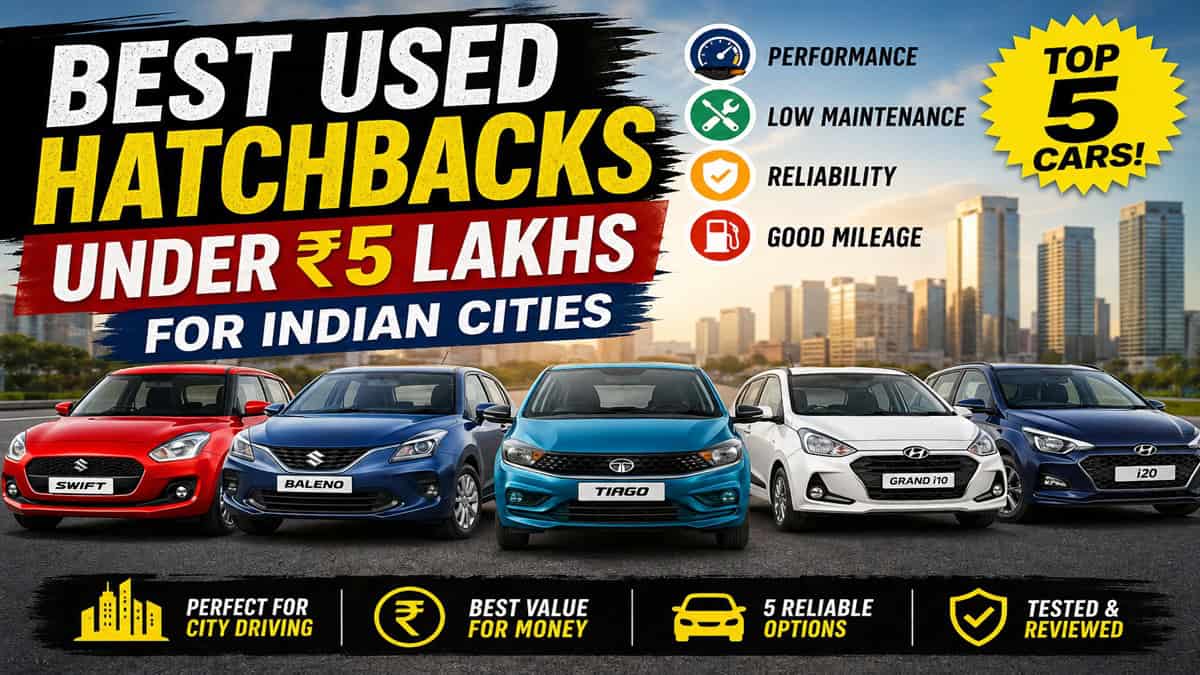
Best Second Hand Cars Under ₹5 Lakh for Beginners in India 2026

Buying your first car is a big milestone but it can also feel overwhelming. With so many options in the market, tight budgets and fear of making the wrong choice, beginners often get stuck in confusion. And if your budget is under ₹5 lakh, the challenge becomes even more real. But here’s the good news: In this guide, we’ll break down the best second hand cars under ₹5 lakh, along with expert tips to help you make the right decision. Quick Summary: Best Used Cars Under ₹5 Lakh (2026) If you’re short on time, here are the top beginner-friendly picks: These cars are known for their reliability, affordability and ease of driving, making them perfect for first-time car buyers. What Makes a Car Perfect for Beginners? Before choosing a car, it’s important to understand what actually makes a vehicle beginner-friendly. Key Factors to Consider: 1. Easy HandlingA compact car with light steering helps new drivers feel confident on the road. 2. Low Maintenance CostAs a beginner, you don’t want surprise repair expenses. 3. Good MileageFuel efficiency matters especially for daily commuting. 4. Affordable Spare PartsBrands like Maruti and Hyundai are popular because parts are cheap and widely available. 5. Strong Resale ValueYou might upgrade in a few years so resale value is important. Top 6 Best Second Hand Cars Under ₹5 Lakh in India 1. Maruti Suzuki Swift (Used) The Swift has been one of India’s most loved hatchbacks for years and for good reason. Why beginners love it: Mileage: ~20–22 km/lMaintenance: Low 👉 Best choice if you want a balance of performance + practicality. 2. Hyundai Grand i10 (Used) If comfort is your priority, the Grand i10 is a strong contender. Why it stands out: Mileage: ~18–20 km/lMaintenance: Moderate 👉 Great for beginners who want a refined driving experience. 3. Maruti Suzuki WagonR (Used) The WagonR is one of the easiest cars to drive in India. Why it’s perfect for beginners: Mileage: ~22–25 km/lMaintenance: Very low 👉 Ideal for city driving and daily commute. 4. Tata Tiago (Used) For those who prioritize safety, the Tiago is a solid option. Why it’s a smart pick: Mileage: ~19–23 km/lMaintenance: Low 👉 Best for safety-conscious beginners. 5. Honda City (Older Models) Want a premium sedan experience within budget? The Honda City delivers. Why consider it: Mileage: ~17–19 km/lMaintenance: Moderate 👉 Perfect if you want a bigger, more premium car. 6. Maruti Suzuki Alto K10 (Used) If you’re an absolute beginner, this is one of the safest starting points. Why it works: Mileage: ~22–24 km/lMaintenance: Very low 👉 Best entry-level car for new drivers. Quick Comparison Table Car Model Mileage Maintenance Best For Swift ⭐⭐⭐⭐ Low All-round use Grand i10 ⭐⭐⭐ Medium Comfort WagonR ⭐⭐⭐⭐⭐ Very Low City driving Tiago ⭐⭐⭐⭐ Low Safety Honda City ⭐⭐⭐ Medium Premium feel Alto K10 ⭐⭐⭐⭐ Very Low Beginners Important Checks Before Buying a Used Car Buying a used car without proper checks can lead to costly mistakes. Always verify: If possible, get the car inspected by a mechanic before finalizing. Expert Tips for First-Time Buyers Bonus: Best Car Type for Beginners If you’re still confused: Ready to make decision? Choosing your first car doesn’t have to be stressful. If you want the safest and easiest option:👉 Go for WagonR or Alto K10 If you want a balanced experience:👉 Choose Swift or Tata Tiago If you want comfort and space:👉 Consider Grand i10 or Honda City Frequently Asked Questions (FAQ’s) Ready to Buy Your First Car? Explore verified listings, compare options and make a confident decision with carworth.in. 👉 Start your car journey the smart way today.
The Real Cost of Owning a Car for 5 Years Will Shock You!

Buying a car in India is not just a necessity it’s also a dream for many people. When we decide to purchase a car, we usually focus on its ex-showroom price or on-road price. However, the reality is that the true cost of a car is not limited to what you pay at the time of purchase. After buying the car, several additional expenses start adding up over the years—such as fuel, servicing, insurance, tyres, and depreciation. This is why many people later realize that the total cost of owning a car is much higher than they initially expected. If you are planning to buy a car, it is important to understand how much it can actually cost you over 5 years. Let’s break it down in a simple way: The Real Cost of Owning a Car for 5 Years Will Shock You! 1. On-Road Price of the Car The first expense is what you pay while purchasing the car. Suppose you buy a car with an on-road price of ₹10 lakh. This price usually includes: So, you have already spent ₹10 lakh to bring the car home. But the real expenses start after this. 2. Fuel Cost If you drive around 1,000 km per month, that becomes approximately 12,000 km in a year. Assuming: Yearly fuel consumption: Yearly fuel cost: Now for 5 years: So, you may spend around ₹4 lakh on fuel alone in 5 years. 3. Service & Maintenance Every car requires regular servicing. For a mid-segment car, the yearly maintenance cost can range between ₹8,000 to ₹15,000. If we take an average of ₹12,000 per year: Keep in mind, this can increase if parts like brake pads, battery, or other components need replacement. 4. Insurance Cost The first year’s insurance is usually included in the on-road price. After that, it needs to be renewed every year. Average insurance cost: Assuming ₹10,000 annually: 5. Tyres and Miscellaneous Expenses Car tyres generally need replacement after 40,000–50,000 km. If your car runs around 60,000 km in 5 years, you may need to replace them once. Tyre replacement cost (mid-size car): Additional small expenses: These can add another: These are often ignored but still impact your overall budget. 6. Depreciation (The Biggest Hidden Cost) This is one of the most overlooked expenses. Depreciation means your car loses value over time.If you buy a car for ₹10 lakh, its value after 5 years may drop to around ₹4–5 lakh. That means You lose about ₹5 lakh in value Conclusion- This doesn’t mean buying a car is a bad decision. But it’s important to understand that a car is a depreciating asset, and it comes with several ongoing costs. Before buying a car, you should consider: If you keep all these factors in mind, you can make a smarter decision and avoid regrets later.
5 Hidden Truths About Automatic Cars Dealers Never Tell You

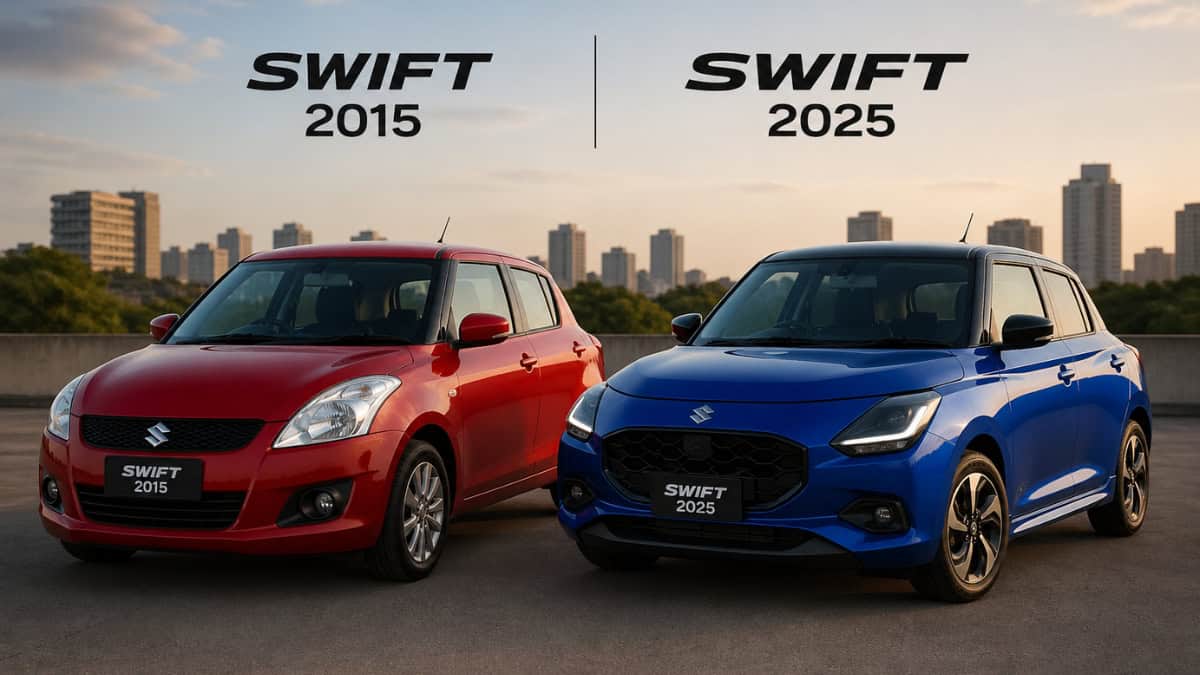
In India, the popularity of automatic cars has surged rapidly over the past few years. Previously, people would exclusively purchase manual cars. However, traffic in cities has now increased to such an extent that people are seeking a more comfortable driving experience. For this very reason, many people have started buying cars equipped with automatic transmissions. I, too, purchased a Swift automatic car some time ago. Initially, I felt it was the absolute right decision. Driving became effortless, and the hassle of constantly engaging the clutch was eliminated. However, a few months later, I came to realize certain truths—facts that car dealers rarely ever disclose to you. If you are also contemplating the purchase of an automatic car, you must read this article to determine whether or not your decision is the right one. 5 Hidden Truths About Automatic car 1. Automatic Cars Often Deliver Lower Mileage: When you go to buy a car, dealers often paint a very rosy picture regarding mileage. They claim that modern automatic cars, equipped with new technology, offer excellent fuel efficiency. While this is true to some extent, the actual real-world experience tends to be slightly different. In most cases, the mileage of an automatic car is lower than that of a manual car. There are several reasons for this: If you drive daily in heavy traffic, the mileage is likely to drop even further. In my experience, the actual mileage obtained in city driving is often 2–4 kmpl lower than the figures claimed by the manufacturer. Therefore, if fuel efficiency is a priority for you, it is crucial to understand this point upfront. 2. Servicing and Repairs for Automatic Cars Are More Expensive: There is another important factor to consider when purchasing an automatic car: its servicing and repair costs can be significantly higher than those of a manual car. The transmission system in an automatic car is quite complex. If a malfunction occurs within this system, getting it repaired is often not an easy task. Such repairs often involve components such as: A problem can potentially arise in any one of these components. Many people have also found that repairing an automatic gearbox can be quite expensive. Therefore, when purchasing a car, it is essential to understand that the convenience it offers may come with increased maintenance costs. 3. Not All Automatic Cars Are Created Equal Many people assume that all automatic cars are essentially the same. However, in reality, this is not the case. Automatic cars feature various types of transmissions, such as: Each of these offers a distinct driving experience. For instance: Many people purchase an automatic car without fully understanding these distinctions. Later, they realize that the driving experience does not live up to their expectations. Therefore, be sure to familiarize yourself with the specific type of transmission before making a purchase. 4. A Noticeable Difference in Hilly Terrain and During Overtaking – Automatic cars offer immense comfort when navigating city traffic. However, you may notice a difference in performance under certain specific conditions, such as: Some automatic cars exhibit a slight delay in response—a phenomenon many refer to as “lag.” While advancements in modern technology have significantly mitigated this issue, if you frequently drive in hilly or mountainous regions, it is still crucial to carefully evaluate the car’s power output and transmission type. 5. Driving Is Indeed Comfortable, But It Requires Adjusting Your Habits – The greatest advantage of an automatic car is the sheer comfort it offers while driving. You no longer have to repeatedly engage the clutch pedal. Navigating through traffic becomes effortless, though it may take a little time to get used to initially. Many drivers accustomed to manual transmissions often find themselves, in the beginning: However, within a few days, this new way of driving becomes second nature. In my experience, driving feels completely natural and intuitive within approximately one to two weeks. Is buying an automatic car the right decision? Many people ask this question. In my experience, the answer depends on your specific needs. If you do most of your driving within the city or spend a significant amount of time in traffic, an automatic car can be an excellent choice. This is because it allows you to avoid the hassle of shifting gears, ensuring a comfortable driving experience. However, if your priorities are higher fuel efficiency, lower maintenance costs, and a sporty driving experience, a manual car could also be a good option. This is because the true thrill of an automatic car is typically only realized when driving a vehicle equipped with a powerful, heavy-duty engine; you generally won’t get that same level of excitement in the standard or mid-range segments.