Picture this: petrol hits ₹115 per litre in your city. Your monthly fuel bill crosses ₹6,000. Your neighbour, meanwhile, drives the same distance for just ₹600 in his shiny new electric car.
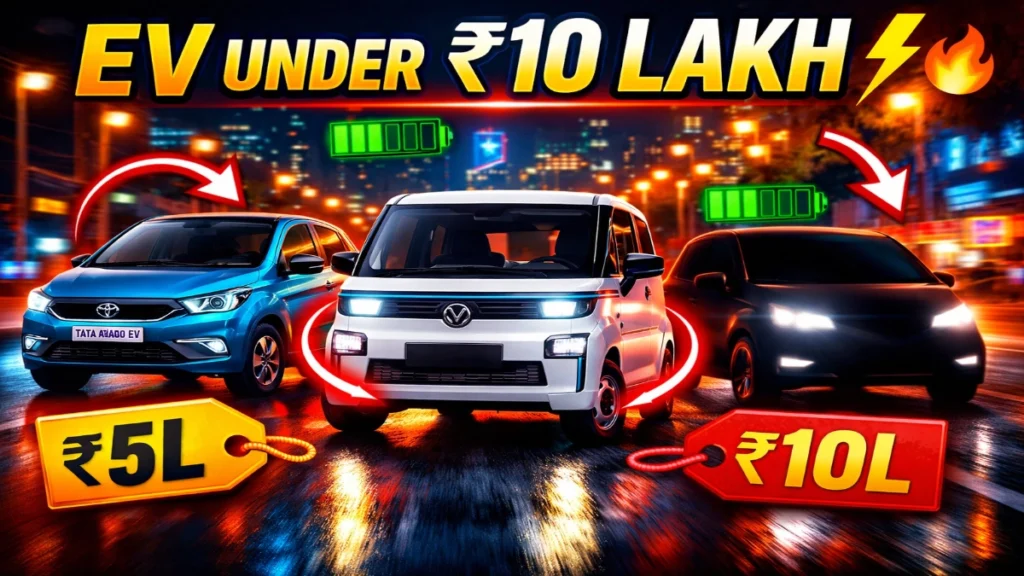
Sound too good to be true? It’s not. Welcome to 2026, where owning an electric vehicle in India no longer needs a fat bank account or a rich uncle. You can now buy a feature-packed electric car for less than the price of many petrol hatchbacks and the running cost will make your wallet very, very happy.
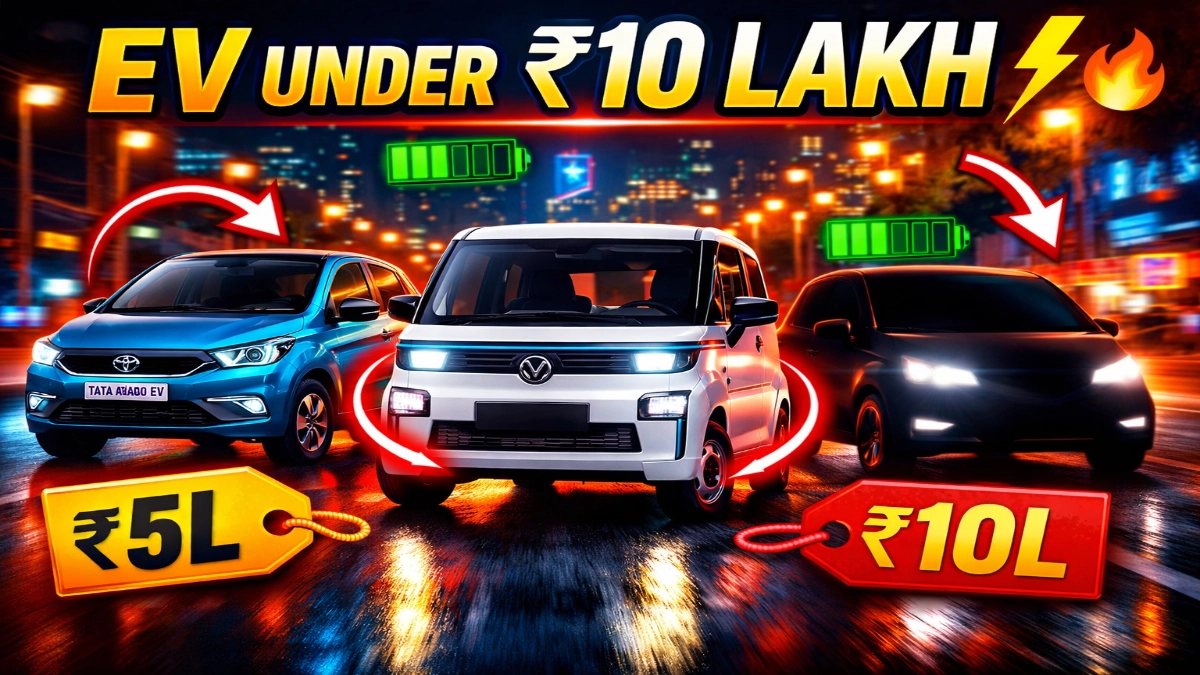
India’s EV market has exploded. From just a handful of options two years ago, buyers today have a real choice of practical, affordable electric cars under ₹10 lakh. Whether you’re a daily commuter in Bengaluru battling traffic, a young professional in Lucknow buying your first car, or a family in Coimbatore tired of rising petrol bills, there is an EV under ₹10 lakh built for you.
Key stat: The average Indian commuter drives 30–40 km per day. A budget EV costs less than ₹1 per kilometre to run. A petrol car? Roughly ₹7–8 per km. The savings are real.
This guide covers everything you need to know from the best models and real-world range to charging costs, government subsidies and which car suits which buyer. Let’s dive in.
Quick Summary: Best Electric Cars Under ₹10 Lakh in India 2026
Here’s a fast snapshot for buyers who want the answer right now:
- Best Overall EV Under ₹10 Lakh: Tata Punch EV (starts at ₹9.69 lakh, range up to 468 km ARAI)
- Most Affordable EV: MG Comet EV (starts at ₹7.50 lakh)
- Best Family Hatchback EV: Tata Tiago EV (starts at ₹7.99 lakh, 315 km range)
- Best for Ultra-Budget Buyers: PMV EaS-E (from ₹4.79 lakh)
- Best Micro-EV / City Commuter: Vayve Mobility Eva (from ₹3.99 lakh)
- Lowest Running Cost: All EVs below ₹1 per km vs ₹7–8 per km for petrol
- Best Charging Option: Home charging overnight via standard 15A socket (no extra equipment needed)
Note: All prices are ex-showroom and subject to change. ARAI range figures are under standard conditions; real-world range is typically 15–25% lower.
Top Electric Cars Under ₹10 Lakh in India 2026
1. Tata Punch EV (Facelift 2026) — Best Overall
| Spec | Details |
| Ex-Showroom Price | ₹9.69 Lakh – ₹12.59 Lakh (base variant under ₹10L) |
| Battery Options | 25 kWh (standard) & 35 kWh (long-range) |
| ARAI Claimed Range | Up to 468 km (long range); ~315 km (standard) |
| Real-World Range | ~250–355 km depending on variant & conditions |
| Charging (AC, 7.2 kW) | Full charge in ~3.6 hours (long-range) |
| DC Fast Charging | 20% to 80% in just 26 minutes |
| Boot Space | 366 litres |
| Safety Rating | 5-star GNCAP (expected) |
The Tata Punch EV facelift launched in early 2026 is arguably the most exciting budget EV launch in recent Indian automotive history. Tata slashed prices significantly, bringing the base Smart variant to under ₹10 lakh, while delivering a proper SUV feel with higher ground clearance, spacious cabin and excellent real-world range.
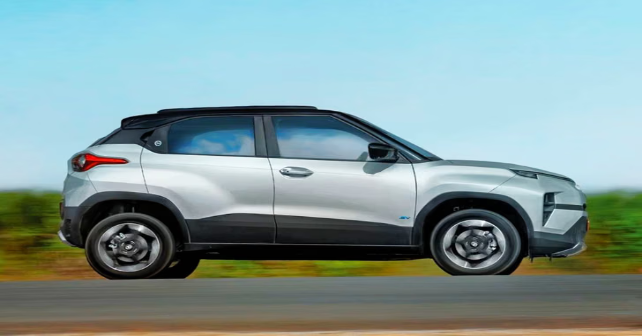
The 2026 facelift adds ventilated front seats, an electric sunroof, automatic climate control and a height-adjustable driver’s seat, features previously seen only in cars costing much more. The Battery-as-a-Service (BaaS) scheme lets you buy the car without the battery (lowering upfront cost) and pay just ₹2.6 per km for battery usage, making ownership even more accessible.
Pros:
- Best real-world range in this segment
- SUV stance, higher ground clearance — great for Indian roads
- Strong Tata after-sales network across India
- DC fast charging support — rare in this price bracket
- Multiple colour options; dual-tone roof themes
Cons:
- Base variant has fewer features compared to higher trims
- Best range variants cross the ₹10 lakh mark
- Rear legroom slightly tighter than petrol Punch
Best Suited For: Daily commuters in Tier 1 and Tier 2 cities, small families, first-time EV buyers wanting an SUV-like feel.
2. Tata Tiago EV — Best Family Hatchback EV
| Spec | Details |
| Ex-Showroom Price | ₹7.99 Lakh – ₹11.14 Lakh |
| Battery Options | 19.2 kWh (Medium Range) & 24 kWh (Long Range) |
| ARAI Claimed Range | 250 km (MR) / 315 km (LR) |
| Real-World Range | ~190–240 km in city conditions |
| Charging (AC, 3.3 kW) | Full charge in ~8.7 hours (standard socket) |
| DC Fast Charging | Available in higher variants |
| Boot Space | 242 litres |
| Key Features | Touchscreen infotainment, auto headlamps, rain-sensing wipers |
The Tata Tiago EV is where India’s mass-market EV story truly began. It remains one of the most practical, value-for-money electric cars under ₹10 lakh in India in 2026. Its proven hatchback platform means buyers get a familiar, comfortable experience without any EV-specific compromises in everyday use.
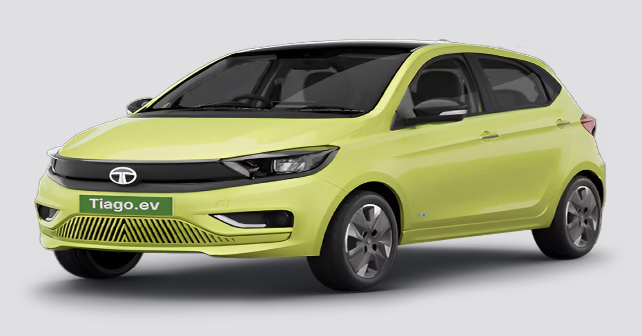
Real-world owners report under ₹1 per km running cost consistently. A full charge at home costs roughly ₹50–70 in electricity (depending on your state tariff), giving you 180–220 km of actual city driving. That’s enough for 5–6 days of commuting on a single charge for most Indian households.
Pros:
- Most affordable 4-door EV with genuine family practicality
- Excellent running cost: under ₹0.85/km
- Tata’s trusted build quality and safety standards
- Smooth city drive experience; no gear shifts
- Wide service network across India
Cons:
- Boot space is modest at 242 litres
- Charging speed on base variant is slow (3.3 kW)
- Best to avoid highway use where range drops noticeably
Best Suited For: Families, office commuters, first-time car buyers in Tier 2 and Tier 3 cities who want a reliable daily driver.
3. MG Comet EV — Best for City Parking & Tech
| Spec | Details |
| Ex-Showroom Price | ₹7.50 Lakh – ₹9.56 Lakh |
| Battery Capacity | 17.3 kWh |
| ARAI Claimed Range | 230–250 km |
| Real-World Range | ~170–200 km in city |
| Charging Time (AC) | ~7 hours on standard 15A socket |
| Fast Charging | Not available |
| Wheelbase | 2,010 mm (ultra-compact) |
| Key Features | Dual 10.25-inch screens, wireless Android Auto/Apple CarPlay, Level 2 ADAS |
In crowded Indian cities from Pune to Patna finding parking is half the battle. The MG Comet EV wins here like nothing else. At just over 2.9 metres in length, it slips into gaps that would terrify any SUV driver. Yet inside, it punches well above its weight with dual 10.25-inch screens, wireless smartphone connectivity and Level 2 ADAS safety features.
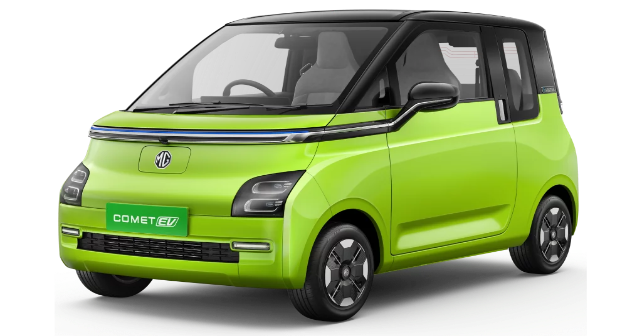
The Comet also has a rear-wheel drive layout, giving it a surprisingly playful and responsive feel in city traffic. It’s available under the BaaS scheme too, making it even more accessible for buyers in metro cities. The three-door design is its one real compromise, rear passenger access takes some effort.
Pros:
- Ultra-compact size — easiest city parking in this segment
- Premium tech: dual large screens, ADAS, connected car features
- Fun, rear-wheel drive feel in the city
- BaaS scheme makes upfront cost lower
Cons:
- Only a 3-door layout — rear passengers struggle
- Smallest boot space in this list
- No DC fast charging option
- Not suited for highways or inter-city travel
Best Suited For: Urban professionals, college students, second-car households in metro cities. Ideal for daily short commutes under 50 km.
4. PMV EaS-E — Best Ultra-Budget Option
| Spec | Details |
| Ex-Showroom Price | ₹4.79 Lakh onwards |
| Battery Capacity | 9.5 kWh |
| ARAI Claimed Range | ~212 km |
| Real-World Range | ~80–120 km (realistic city use) |
| Charging Time | ~4.5 hours on standard socket |
| Seating | 2+2 (micro-car format) |
| Key Features | Touchscreen, basic connectivity, compact design |
| Suitable For | Ultra-short commutes, last-mile use |
If budget is your absolute priority, the PMV EaS-E breaks all barriers. Priced from under ₹5 lakh, it’s designed for India’s massive urban micro-mobility need. Think of it as a step up from a two-wheeler sheltered, comfortable and incredibly cheap to run.
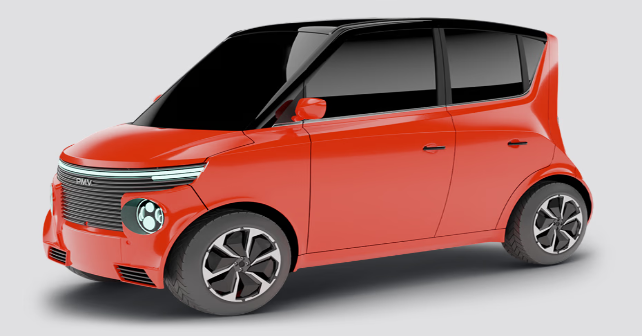
It’s best suited as a dedicated commuter vehicle for distances under 40 km daily, as a second car in a household, or for last-mile delivery use in urban areas. It is not a highway car. But for daily office commutes in congested cities, it’s a genuinely smart choice.
Pros:
- Lowest price point of any real car in India
- Extremely low running cost
- Easy to park anywhere
Cons:
- Limited real-world range (80–120 km)
- Not suited for families or highway use
- Minimal safety features compared to Tata/MG
Best Suited For: Solo urban commuters, Tier 2/3 city use, buyers transitioning from two-wheelers to four-wheelers.
5. Vayve Mobility Eva — Cheapest Electric Car in India 2026
| Spec | Details |
| Ex-Showroom Price | ₹3.99 Lakh – ₹5.99 Lakh |
| Battery Capacity | 5.5–9.5 kWh (variant-dependent) |
| Claimed Range | ~100–160 km |
| Real-World Range | ~80–130 km in city |
| Charging Time | ~4–5 hours |
| Seating | 2+1 or 2+2 |
| Key Feature | Lowest price tag of any 4-wheel EV in India |
| Target Use | Short urban commutes, campus mobility |
The Vayve Eva earns its place as the cheapest electric car you can buy in India in 2026. It targets buyers who simply want to get out of the heat and rain, ditch two-wheelers and move to a real cabin experience, without spending more than ₹6 lakh.
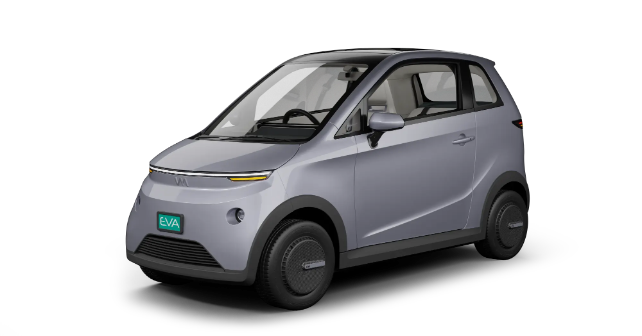
It is not the car for everyone. Its range, features and safety ratings are all entry-level. But if your daily commute is under 40 km and you have home charging access, the Eva delivers a surprisingly practical and affordable urban experience.
Best Suited For: Tier 3 city commuters, first-time car buyers with very limited budgets, college campuses, housing society mobility.
EV vs Petrol: Running Cost Comparison in India 2026
This is where budget EVs truly shine. Let’s break down the numbers honestly.
| Cost Factor | Petrol Car (1200cc) | Budget EV (Tiago EV) | Savings |
| Fuel/Energy Cost per km | ₹7.50–8.00 | ₹0.70–0.90 | ₹6.60–7.10 per km |
| Monthly Fuel Cost (1,200 km) | ₹9,000–10,000 | ₹840–1,080 | ₹8,000–9,000/month |
| Annual Fuel Cost | ₹1,08,000–1,20,000 | ₹10,080–12,960 | ~₹1,00,000/year |
| Maintenance (per year, avg.) | ₹15,000–20,000 | ₹5,000–7,000 | ₹8,000–15,000/year |
| 5-Year Total Running Cost | ₹6.15–7 Lakh | ₹75,000–1 Lakh | ₹5–6 Lakh saved |
| Road Tax (most states) | Full applicable | Zero or 50% exemption | Varies by state |
A Tata Tiago EV owner driving 40 km per day saves approximately ₹8,000–9,000 per month in fuel costs alone compared to a petrol hatchback. Over 5 years, that’s ₹5–6 lakh in savings — almost the price of the car itself.
Home charging is the game-changer. If you charge your EV overnight at home (which most Indian households can do with a standard 15A socket), the cost per km works out to about ₹0.70–0.85 depending on your state’s electricity tariff. States like Gujarat and Karnataka have among the lowest EV electricity tariffs, while Maharashtra and Delhi also offer competitive rates.
Charging Your Budget EV in India 2026
Home Charging: The Most Practical Option
For most budget EV buyers in India, home charging is the primary and most cost-effective method. Here’s what you need to know:
- Standard 15A socket: Works for all cars on this list. No special installation needed.
- Typical overnight charge: Plug in at 11 PM, fully charged by 6 AM.
- Cost: At ₹8–10/unit electricity tariff, a full charge costs ₹135–200.
- Wall Box Charger (7.2 kW): Charges faster; installation costs ₹10,000–20,000 but is recommended for Punch EV.
Home charging suits the daily pattern of most Indian commuters perfectly. Charge while you sleep, drive all day.
Public Charging Infrastructure in 2026
India’s public charging network has expanded significantly. Key networks include Tata Power, EESL, Statiq, ChargeZone, Jio-bp and BPCL’s EV charging stations. As of 2026, major highlights include:
- Over 16,000 public charging stations across India (government + private)
- Strong coverage in Tier 1 cities: Delhi, Mumbai, Bengaluru, Hyderabad, Chennai, Pune
- Growing presence in Tier 2 cities: Jaipur, Lucknow, Bhopal, Indore, Chandigarh, Kochi
- National highways now have charging stops every 80–100 km on major routes
- Many malls, airports, and corporate parks now offer free or subsidised EV charging
For the cars on this list with 200–350 km real-world range public charging is mostly a backup for longer trips rather than a daily necessity.
FAME II Scheme & State Subsidies
The Government of India’s FAME II (Faster Adoption and Manufacturing of Electric Vehicles) scheme has been a significant driver of EV adoption. Under the scheme and related state programs:
- Several budget EV models qualify for direct purchase subsidies
- States like Delhi, Gujarat, Maharashtra and Karnataka offer additional incentives of ₹10,000–25,000 on select models
- Delhi EV Policy: One of the most buyer-friendly, with subsidies plus road tax exemption
- Many states waive registration fees and road tax for EVs, saving ₹20,000–50,000 at purchase
Always check your state transport department website or your local dealer for the latest subsidy status, as these change periodically.
Which Electric Car Under ₹10 Lakh Should You Buy?
Here’s a simple decision guide based on your situation:
| Your Situation | Best Pick | Why |
| Daily city commute, want safety & range | Tata Punch EV | Best range, SUV feel, safety rating |
| Family car, tight budget | Tata Tiago EV | 4-door, practical, lowest per-km cost |
| Metro city, small parking space | MG Comet EV | Ultra-compact, premium tech inside |
| Very tight budget, short daily commute | PMV EaS-E | Cheapest option with a real cabin |
| Solo commuter transitioning from 2-wheeler | Vayve Eva or PMV EaS-E | Cheapest 4-wheel mobility |
| First-time buyer wanting best value overall | Tata Tiago EV or Punch EV | Proven, trusted, good resale |
7 Important Things to Consider Before Buying a Budget EV in India
1. Do You Have Home Charging Access?
This is the single most important question. If you live in a standalone home or flat with a dedicated parking spot and access to a 15A socket, you’re perfectly set for budget EV ownership. If you rely entirely on public charging or shared parking without charging access, a budget EV becomes significantly less convenient.
2. What Is Your Daily Driving Distance?
Budget EVs under ₹10 lakh are primarily city cars. If your daily commute is under 60 km, any car on this list works perfectly. If you regularly drive 100+ km per day or take frequent highway trips, look at the Tata Punch EV’s long-range variant (which slightly crosses ₹10 lakh) or save up for a Nexon EV.
3. Battery Warranty
Battery health is the biggest concern for any EV buyer. Both Tata and MG offer strong battery warranties:
- Tata: 8 years / 1.6 lakh km battery warranty
- MG Comet EV: 8 years / 1.5 lakh km battery warranty
This warranty coverage makes these cars safer long-term investments than lesser-known brands.
4. Resale Value
Tata Motors dominates the budget EV segment in India, which works in buyers’ favour for resale. Tata EVs hold value better than newer entrants. MG Comet EV resale is growing steadily. Micro-EVs like PMV and Vayve are still building their resale track record.
5. Charging Infrastructure in Your City
If you’re in Delhi, Mumbai, Bengaluru, Pune, Hyderabad, or Chennai — you’re well-covered. If you’re in a smaller Tier 2 city, check whether at least 2–3 public chargers exist within a 15 km radius. This matters for emergency top-ups.
6. State Subsidies Can Change Your Final Price Significantly
A Tata Tiago EV in Delhi with zero road tax, reduced registration and FAME II subsidy can cost ₹1–1.5 lakh less than the listed ex-showroom price. Always check your state’s EV policy before deciding, it can dramatically affect your effective cost.
7. OTA Software Updates & Feature Growth
Tata EVs receive over-the-air software updates that add features over time. This means your car can get better after purchase, a significant advantage over petrol vehicles.
Frequently Asked Questions (FAQs)
Q1. Which is the cheapest electric car in India 2026?
The Vayve Mobility Eva is India’s cheapest four-wheel electric car in 2026, starting at approximately ₹3.99 lakh ex-showroom. For a more practical option with a longer range and stronger brand warranty, the MG Comet EV starting at ₹7.50 lakh is the most affordable mainstream choice. The PMV EaS-E at ₹4.79 lakh is another ultra-budget option for purely urban use.
Q2. Is buying an EV under ₹10 lakh worth it in India?
Yes, for most urban buyers it absolutely makes sense. If your daily commute is under 60 km and you have home charging access, a budget EV will save you ₹8,000–9,000 per month in fuel costs. Over 5 years, the total savings can exceed ₹5 lakh — more than offsetting any price premium over a petrol car. Add in lower maintenance costs and state subsidies, and the math is hard to ignore.
Q3. What is the real-world range of budget EVs in India?
ARAI certified figures are always higher than real-world results. For the cars on this list: Tata Punch EV delivers around 250–355 km in real conditions, Tata Tiago EV gives 190–240 km in city use, and the MG Comet EV covers 170–200 km per charge. The smaller options (PMV EaS-E, Vayve Eva) deliver 80–130 km in actual driving. Most urban commuters drive 30–60 km daily, meaning most of these cars need charging only every 3–5 days.
Q4. How much does it cost to charge an EV at home in India?
Charging costs vary by state electricity tariff, but a rough estimate: to fully charge a 24 kWh battery (like the Tiago EV long-range), you consume about 26–28 units of electricity. At ₹8–10 per unit, that’s ₹208–280 for a full charge. This gives you 200–250 km of city driving, working out to under ₹1.20 per km. States with EV-friendly tariffs like Gujarat charge even less.
Q5. Are budget electric cars good for long drives in India?
Budget EVs under ₹10 lakh are primarily designed for city and semi-urban use. They are not ideal for long-distance highway driving. The Tata Punch EV (long-range variant) is the best option if you occasionally need inter-city trips, with around 355 km real-world range and DC fast charging. For the others, plan long trips carefully with charging stops. Stick to routes where chargers are available every 100–150 km.
The Future of Budget EVs in India: What’s Coming
India’s affordable EV segment is set to get even more exciting in the next 12–18 months. Here’s what to watch for:
Upcoming Budget EV Launches
- Maruti Suzuki is developing a sub-₹10 lakh EV for India, leveraging its massive Tier 2/3 dealer network
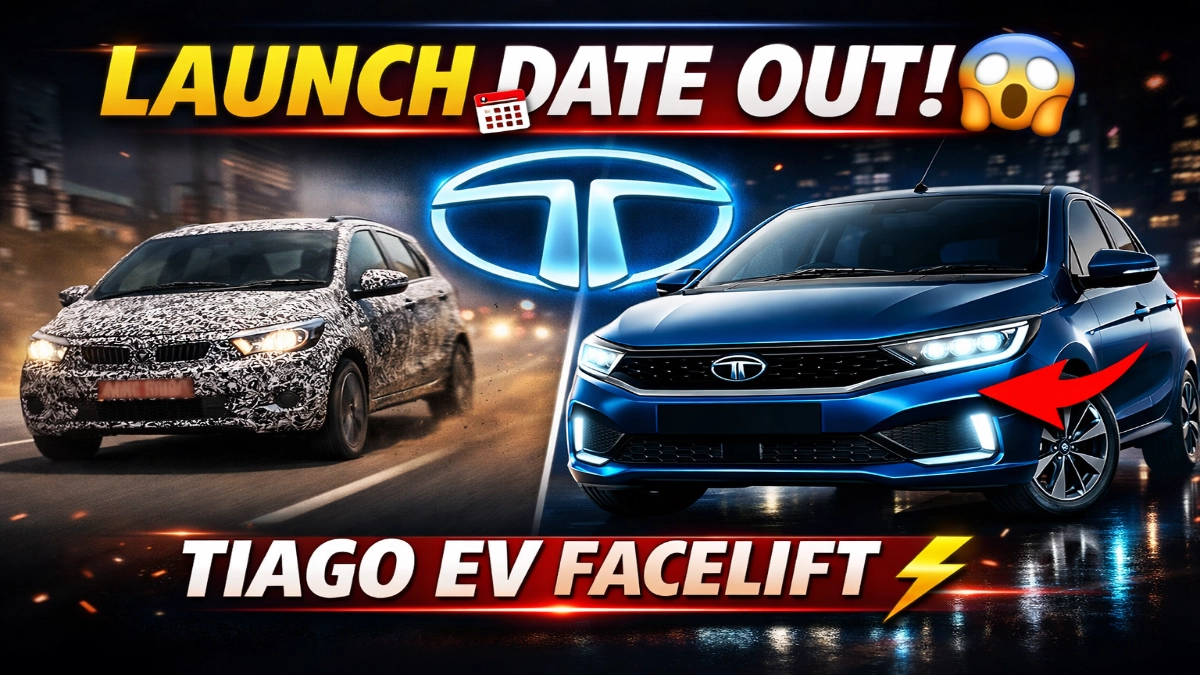
- Tata Motors is expected to refresh the Tiago EV and Tigor EV with updated battery tech
- Bajaj-Renault JV could bring an affordable EV hatchback by late 2026 or 2027
- Hyundai and Kia are watching the ₹8–10 lakh segment with interest for localised production
Battery Technology Improvements
Sodium-ion batteries are gaining traction as a cost-effective alternative to lithium-ion for short-range applications. If adopted in India by 2027, they could slash battery costs by 20–30%, making budget EVs even cheaper. Solid-state batteries remain a longer-term development but promise better range, faster charging and greater safety.
Price Trajectory
EV prices in India have been trending downward. The base Tata Punch EV was over ₹11 lakh just two years ago; it now starts at ₹9.69 lakh. As localisation of battery manufacturing deepens (PLI scheme for Advanced Chemistry Cells is already showing results), prices are expected to dip further. A mainstream EV under ₹7 lakh with 200+ km range may be a reality by 2027–2028.
Charging Infrastructure Expansion
The government’s FAME III scheme (successor to FAME II, expected in 2026–27) is likely to focus heavily on expanding charging infra to Tier 2 and Tier 3 cities. Reliance Jio-bp has ambitious plans to deploy chargers at petrol stations nationwide. This will significantly reduce range anxiety for smaller-city buyers.
India is on a clear EV trajectory. Every rupee you spend on a budget EV today is a bet on a future where running costs only get cheaper, range only gets longer and charging only gets faster.
Should You Buy a Budget EV Under ₹10 Lakh?
In 2026, the answer for most urban and semi-urban Indian buyers is a resounding yes, with a few conditions.
If you tick these boxes:
- Your daily commute is under 60 km
- You have a home charging option (standard socket is fine)
- You mostly drive in cities or towns
- You want to save ₹8,000+ per month on fuel
Then a budget EV under ₹10 lakh is not just worth it — it’s one of the smartest financial decisions you can make for your household.
Our top picks, summarised:
- Best overall: Tata Punch EV — widest appeal, best range, SUV feel
- Best value: Tata Tiago EV — practical, affordable, trusted
- Best city-only: MG Comet EV — premium tech, tiniest footprint
- Best ultra-budget: PMV EaS-E or Vayve Eva — for commuters on a very tight budget
The era of expensive EVs is ending in India. The era of affordable, practical, daily-use electric cars is well and truly here. And it’s priced under ₹10 lakh.
Drive electric. Save more. Breathe cleaner air. India’s roads are ready for you.
Disclaimer: Prices are ex-showroom and subject to change. Range figures include both ARAI-certified and real-world estimates. Always verify with your local dealer and state transport office for the latest subsidies and pricing.