
When it comes to buying a car, the biggest question facing Indian customers is: Should I buy an SUV or a Sedan?
Cars in both segments have their own distinct advantages and drawbacks, and your choice depends entirely on your specific needs, budget, and priorities.
In this article, we will conduct an in-depth comparison between SUVs and Sedans to help you make an informed decision before purchasing your next car.
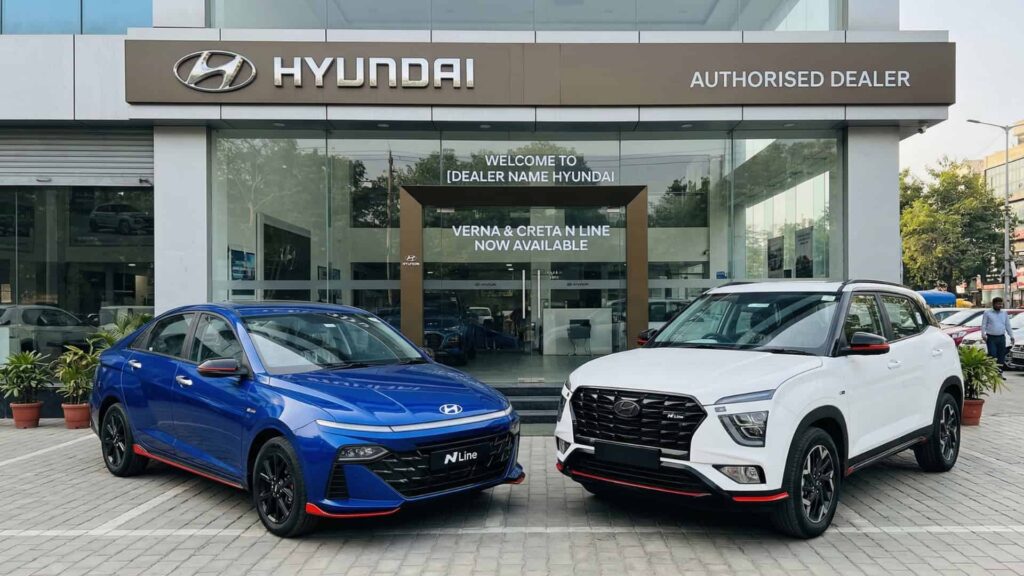
1. Differences in Design and Aesthetics
SUVs (Sport Utility Vehicles) are characterized by their large, tall, and commanding appearance. Their boxy and muscular aesthetic appeals to many particularly the youth and those who desire a strong, imposing presence on the road.
In contrast, Sedans feature a more aerodynamic, stylish, and elegant design. They typically possess lower ground clearance, making them perfectly suited for city driving and highway cruising.
If you are looking for a robust and tall vehicle, an SUV is the better choice. If you prefer style and understated elegance, opt for a Sedan.
2. Performance and Driving Experience
SUVs are generally considered superior for off-roading, navigating rough terrain, and driving in rural areas. Thanks to their heavy-duty body structure and high ground clearance, they handle uneven and rugged paths with ease.
Sedans, on the other hand, are engineered for smooth roads. They offer excellent driving dynamics—meaning they provide superior stability and minimal body roll, even at high speeds.
If you desire a smooth driving experience within the city and on highways, choose a Sedan; however, if you require a vehicle capable of handling all types of road conditions, an SUV is the way to go.
3. Space and Comfort
SUVs offer generous headroom, legroom, and a larger boot (trunk) capacity. This makes them ideal for long-distance travel with family. Additionally, the elevated seating position provides the driver with a commanding view of the road.
Sedans are also comfortable, particularly for rear-seat passengers. However, in terms of overall height and interior spaciousness, they fall slightly short when compared to SUVs.
If you prioritize maximum space and a higher seating position, an SUV is the better option. However, for a comfortable and pleasant ride, a Sedan remains an excellent choice. 4. Mileage and Fuel Efficiency
Sedans are generally lighter and feature smaller engines, resulting in better mileage. In urban areas characterized by heavy traffic, Sedans prove to be highly fuel-efficient.
SUVs are heavier and equipped with larger tires, which typically results in lower mileage. However, numerous compact SUVs have now entered the market that offer excellent fuel efficiency.
5. Price and Maintenance
The initial purchase price of an SUV is generally higher than that of a Sedan. Furthermore, due to their larger tires, robust suspension systems, and heavier body structures, SUVs also incur higher maintenance costs.
Sedans offer more affordable maintenance, and their overall running costs are lower. If you are looking for a car that fits within a specific budget, a Sedan can be an excellent choice.
6. Safety
SUVs are larger in size and possess a commanding road presence, which provides a certain degree of protection in the event of a collision. Additionally, modern SUVs are increasingly being equipped with advanced safety features such as ESP (Electronic Stability Program), Hill Assist, and six airbags.
While Sedans also come equipped with safety features, their lighter body structure may result in slightly reduced crash protection compared to SUVs. Consequently, due to their larger dimensions and sturdy body construction, SUVs are generally considered to be slightly safer.
Both SUVs and Sedans offer their own distinct advantages. If you have a somewhat flexible budget and are looking for a robust vehicle capable of handling various terrains, an SUV makes for an excellent choice. However, if you are working with a tighter budget and desire a stylish car optimized for city driving and superior mileage, opting for a Sedan would be a prudent decision.