Think about this for a second. You’re stuck in Bengaluru traffic, burning Rs 120 worth of petrol just to crawl 10 kilometres. You’ve been meaning to upgrade your car for months. And now you’re hearing that almost 60 new cars are set to launch in India in 2026 alone.
So the real question isn’t which car to buy, it’s should you even buy one right now?
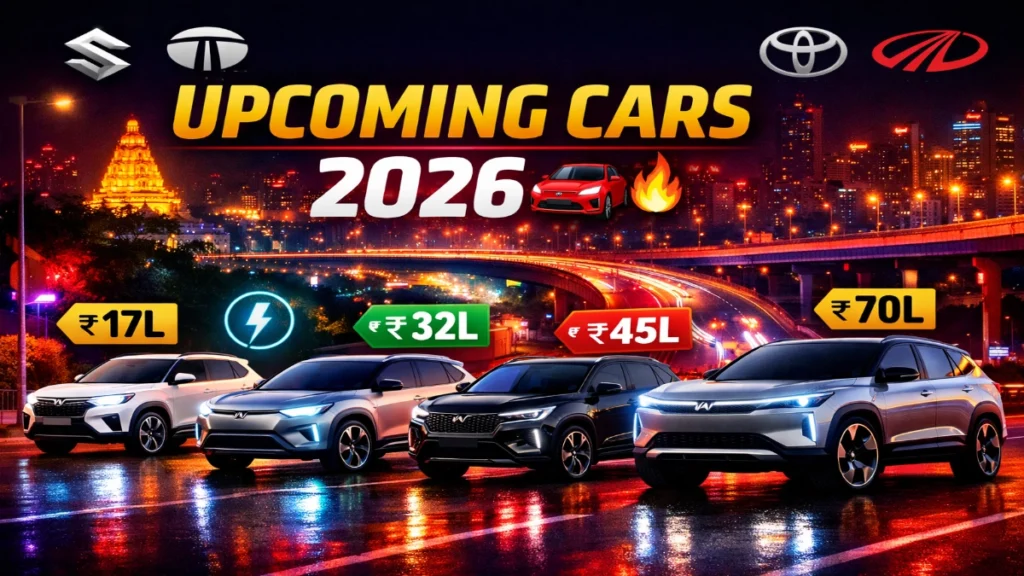
2026 is shaping up to be a turning point for Indian car buyers. After years of talking about electric vehicles, the products are finally here and they’re actually good. Brands like Maruti, Tata, Toyota and Mahindra are launching EVs with real-world ranges above 400 km. Hybrids are getting more affordable. And SUVs? There’s a new one launching almost every month.
Whether you’re a first-time buyer saving up, a family looking for more space, or an EV-curious buyer finally ready to make the switch, 2026 has something for you.
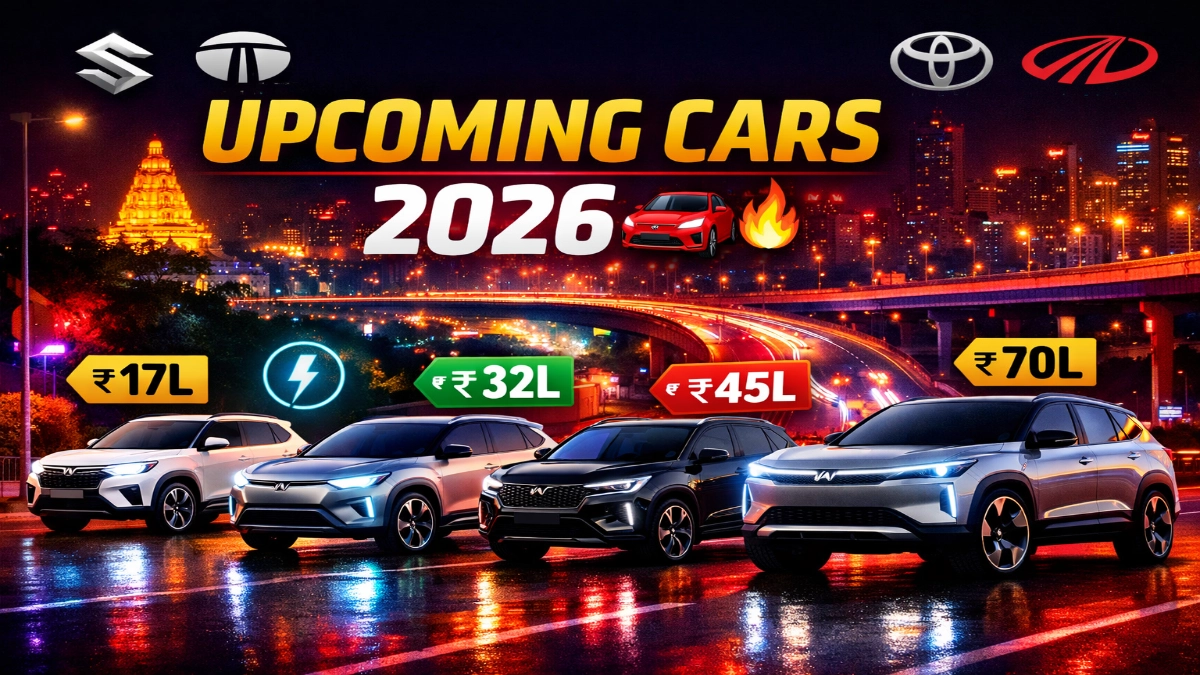
Here’s everything you need to know about the top upcoming cars in India 2026, with expected prices, specs, features and honest launch timelines.
Quick Overview: Top Upcoming Cars in India 2026
| Car Model | Expected Price | Segment | Fuel Type | Launch Timeline | Key Highlight |
|---|---|---|---|---|---|
| Maruti Suzuki e Vitara | ₹17–25 lakh | Compact EV SUV | Electric | Febaury 2026 | Maruti’s first EV, 543 km range |
| Toyota Urban Cruiser Ebella | ₹18–24 lakh | Compact EV SUV | Electric | April 2026 | Toyota’s first India EV |
| Tata Sierra EV | ₹17–25 lakh | Compact EV SUV | Electric | May 2026 | Iconic nameplate, modern EV |
| Mahindra BE 07 | ₹25–35 lakh | Mid-size EV SUV | Electric | Mid 2026 | Fourth Mahindra born-EV |
| Tata Avinya X | ₹25–35 lakh | Premium EV | Electric | Late 2026 | All-new platform, futuristic design |
| Renault Duster (New Gen) | ₹12–20 lakh | Compact SUV | Petrol/Hybrid | March 2026 | Iconic comeback with hybrid power |
| Mahindra XUV 7XO | ₹15–26 lakh | Mid-size SUV | Petrol/Diesel | January 2026 | Facelift of beloved XUV700 |
| Kia Seltos (New Gen) | ₹12–21 lakh | Compact SUV | Petrol/Diesel | January 2026 | Refreshed with ADAS + hybrid |
| Skoda Kushaq Facelift | ₹11–19 lakh | Compact SUV | Petrol | January 2026 | 360° cam, panoramic sunroof |
| Honda Elevate Hybrid | ₹13–18 lakh | Compact SUV | Strong Hybrid | March 2026 | Class-leading fuel efficiency |
| Maruti Brezza Facelift | ₹10 lakh+ | Sub-4m SUV | Petrol/CNG | April 2026 | Popular upgrade with new features |
| VW Taigun Facelift | ₹12–19 lakh | Compact SUV | Petrol | April 2026 | Refreshed interior + ADAS |
| Mahindra BE 07 | ₹25–35 lakh | Mid-size EV | Electric | July 2026 | Sporty styling, performance EV |
| Tesla Model 3 | ₹60–70 lakh | Premium Sedan | Electric | Dec 2026 | Tesla officially enters India |
| Skoda Enyaq iV | ₹35–40 lakh | Premium EV SUV | Electric | Dec 2026 | European EV quality |
Top Upcoming Cars in India 2026: Detailed Look
1. Maruti Suzuki e Vitara — India’s Most Awaited EV
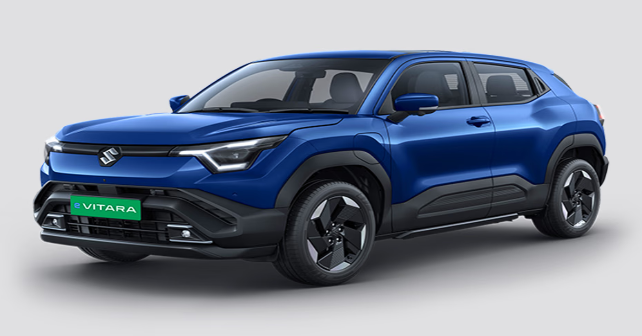
Maruti’s first-ever electric car is finally here and it’s been worth the wait. Built on Suzuki’s new Heartect-e platform, the e Vitara is designed for Indian roads and Indian buyers.
- Expected Price: ₹17–25 lakh (ex-showroom)
- Battery: 49 kWh and 61 kWh options
- Range: ~440 km (49 kWh) and up to 543 km (61 kWh) — ARAI-rated
- Motor Output: 142 bhp (49 kWh) / 174 bhp (61 kWh)
- Launch Timeline: Q2 2026
Key Features:
- Level 2 ADAS with adaptive cruise control and lane-keeping assist
- 10.25-inch touchscreen + 10.1-inch digital driver’s display
- Ventilated front seats, 360° camera, 7 airbags
- 5-star Bharat NCAP safety rating
Pros:
- Maruti’s legendary service network (4,000+ service centres across India)
- Strong range, especially the 61 kWh variant
- Competitive pricing vs rivals like Creta Electric
Cons:
- No sunroof on most variants
- Rear legroom slightly tight compared to longer rivals
- 310-litre boot space feels limited for the segment
Best For: Urban professionals, nuclear families, first-time EV buyers who value service support
2. Toyota Urban Cruiser Ebella — Toyota’s First Electric Car for India
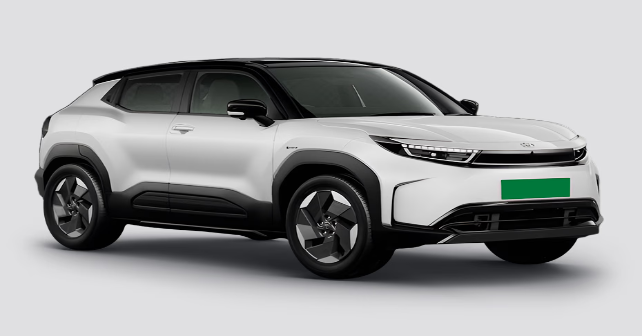
Toyota has officially entered India’s EV race. The Urban Cruiser Ebella is Toyota’s badge-engineered version of the Maruti e Vitara, but it brings Toyota’s reliability reputation, JBL audio and an 8-year battery warranty to the table.
- Expected Price: ₹18–24 lakh (ex-showroom)
- Battery: 49 kWh and 61 kWh (same as e Vitara)
- Range: 440 km (49 kWh) / 543 km (61 kWh)
- Motor: 142 bhp / 172 bhp
- Launch Timeline: April 2026
Key Features:
- Toyota’s “hammerhead” front design — sharp, modern, distinctly un-boring
- Level 2 ADAS on top trim
- JBL sound system, sliding & reclining rear seats
- 8-year / 1,60,000 km battery warranty
- 10-way electrically adjustable driver seat
Pros:
- Toyota reliability + India-wide service network
- Best-in-class battery warranty
- Smooth, natural throttle calibration
Cons:
- Slightly less visual drama vs some competitors
- Boot space (310 L) shared limitation with e Vitara
- Rear seat underthigh support could be better
Best For: Buyers who prioritise brand trust and long-term ownership peace of mind
3. Tata Sierra EV — The Icon Returns, Now All-Electric
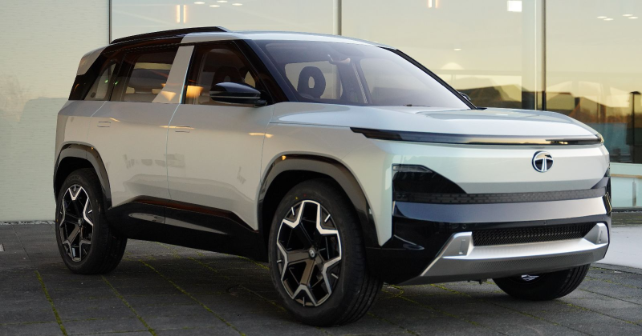
The original Tata Sierra was a cult classic in the 1990s. The new Sierra ICE launched in late 2025 and has already surpassed 10,000 deliveries in India. Now Tata is preparing the electric version, expected to debut in May 2026.
- Expected Price: ₹17–25 lakh (ex-showroom) — positioned below the Harrier EV
- Battery: 55–65 kWh (expected), same family as Harrier EV
- Range: 400–500 km (estimated)
- Launch Timeline: May 19, 2026 (official reveal date confirmed)
Key Features:
- EV-specific closed grille, aerodynamic alloys
- Glass roof, three-screen setup (expected to carry over from ICE version)
- Fast charging: 150 kW DC capability (2.5C)
- RWD and possible AWD variants
Pros:
- Emotional nameplate with modern execution
- Competitive price vs Creta EV and BE 6
- Tata’s proven EV ecosystem with widespread fast chargers
Cons:
- Slightly conservative styling compared to Mahindra’s BE series
- First-gen EV powertrain — may need 1–2 software updates
Best For: Tata loyalists, buyers who want an emotional purchase backed by solid tech
4. Mahindra BE 07 — The Performance EV Coming Mid-2026
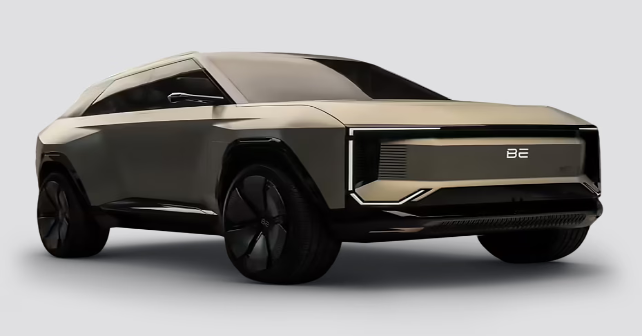
Mahindra has already impressed with the BE 6, and the BE 07 is next in line. It’s a slightly larger, more premium EV SUV positioned above the BE 6.
- Expected Price: ₹25–35 lakh
- Battery: 59–79 kWh (expected), based on Mahindra’s INGLO platform
- Launch Timeline: July 2026
Key Features:
- Born-electric design — not adapted from an ICE vehicle
- Futuristic coupe-SUV silhouette
- Likely to offer AWD option on higher trims
- ADAS, connected car tech, large infotainment screen
Pros:
- Mahindra’s INGLO platform delivers genuinely exciting drive dynamics
- More premium positioning vs BE 6
- Strong resale value potential
Cons:
- Premium pricing may narrow buyer pool
- Charging infrastructure still uneven outside metros
Best For: Tech enthusiasts, performance-oriented EV buyers, urban professionals stepping up from a C-segment SUV
5. Tata Avinya X — India’s Most Futuristic EV
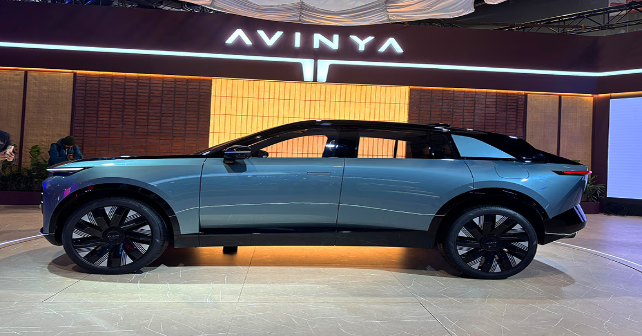
The Avinya X is Tata’s vision of what an Indian EV should look like in 2030, launched in 2026. This is not a facelifted petrol car gone electric. It’s built from the ground up on a new-generation EV platform.
- Expected Price: ₹25–35 lakh
- Battery: Large capacity, designed for 500+ km range
- Launch Timeline: Late 2026 / Early 2027
Key Features:
- Lounge-like interior focused on passenger experience
- Ambient lighting, large panoramic roof
- OTA software updates for continuous improvement
Pros:
- Completely fresh design language, nothing like it in the market
- Future-proof platform with room to grow
Cons:
- Higher price may deter value-conscious buyers
- Being a first-gen product on a new platform, teething issues possible
Best For: Early adopters, premium EV buyers, buyers wanting something genuinely different
6. Renault Duster (New Generation) — The Comeback Story of 2026
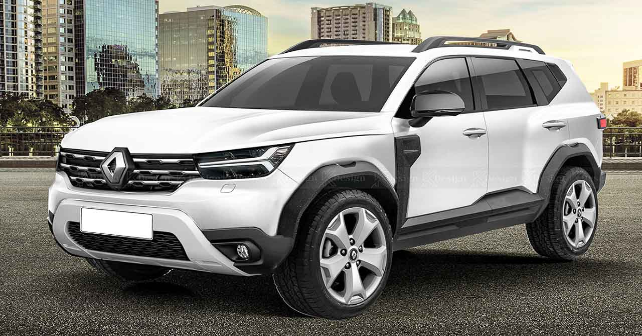
The Duster has cult status in India. It left our market in 2022 and its return in 2026 with a modern design and hybrid option is one of the most exciting ICE launches of the year.
- Expected Price: ₹12–20 lakh
- Engine: 1.2-litre turbo-petrol + mild hybrid; potential strong hybrid variant
- Mileage: ~17–20 kmpl (petrol), better with hybrid
- Launch Timeline: Revealed January 26, 2026 — market launch expected March/April 2026
Key Features:
- Bold new design, more premium than its predecessor
- ADAS features in higher variants
- Larger wheelbase and more ground clearance
- Updated infotainment with wireless connectivity
Pros:
- Strong brand recall and loyal fanbase
- Better value for money than most similarly priced rivals
- Improved build quality and refinement
Cons:
- No diesel option confirmed yet
- Pricing may have crept up from the original budget positioning
Best For: Highway drivers, families upgrading from a hatchback, buyers who remember the old Duster fondly
7. Mahindra XUV 7XO — The XUV700 Gets a Powerful Upgrade
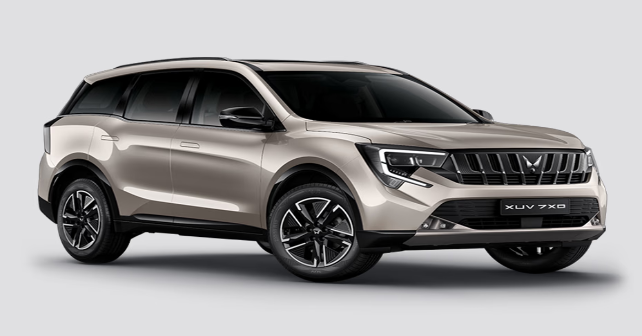
Launched on January 5, 2026, the XUV 7XO is the facelifted version of the XUV700, one of the best SUVs in its price range. It keeps the powerful engine options and adds new technology.
- Expected Price: ₹15–26 lakh
- Engines: 2.0L turbo-petrol / 2.2L diesel (carried forward)
Key New Features:
- Redesigned front grille with L-shaped DRLs
- New triple-screen dashboard setup
- Enhanced ADAS suite
Pros:
- XUV700 was already class-leading, this is better
- Strong diesel engine with real-world performance
- Excellent value for the features offered
Cons:
- Long waiting periods expected, especially diesel AT
- Petrol variants slightly thirsty for daily city use
Best For: Families, highway commuters, buyers who want maximum features per rupee
8. Kia Seltos (New Generation) — Refreshed and More Competitive
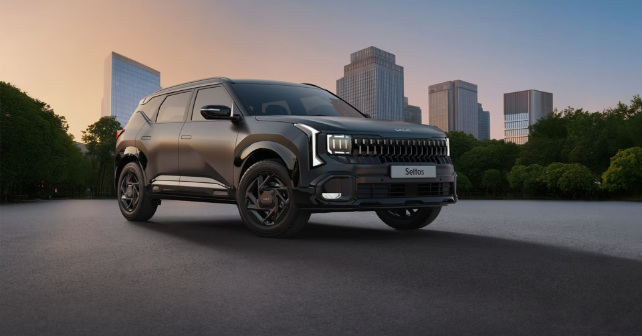
Launched in January 2026, the new Kia Seltos comes with refreshed styling, upgraded interiors, and a potential hybrid powertrain option that could make it one of the most efficient petrol SUVs in its class.
- Expected Price: ₹12–21 lakh
- Engines: 1.5L petrol / 1.5L diesel / possible hybrid
- Mileage: 17–20 kmpl (petrol), ~22–24 kmpl (diesel)
- Launch Timeline: Available now
Key Features:
- Level 2 ADAS
- Updated digital cockpit
- Better rear seat comfort
- Possible hybrid option in higher trims
Best For: Compact SUV buyers wanting strong resale, urban families
9. Honda Elevate Hybrid — The Fuel Efficiency Champion
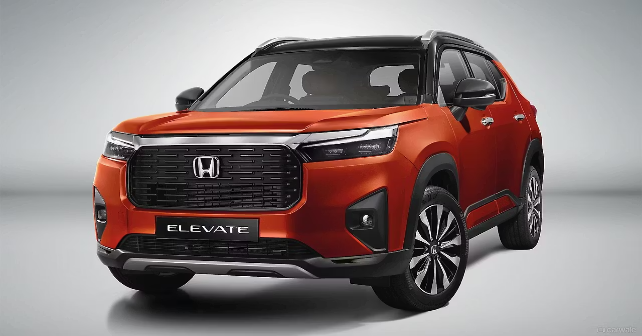
Honda is bringing the e:HEV strong hybrid system to the Elevate, and this is a big deal for fuel-conscious Indian buyers. The same system in the City Hybrid delivers outstanding real-world mileage.
- Expected Price: ₹13–18 lakh
- Engine: 1.5L e:HEV strong hybrid
- Mileage: ~22–25 kmpl (estimated)
- Launch Timeline: March 2026
Key Features:
- Strong hybrid — electric motor drives the wheels, not just assists
- Almost silent city driving experience
- Honda Sensing ADAS suite
- Comfortable, well-built interior
Pros:
- Among the best mileage figures in its segment
- Lower running cost vs petrol-only rivals
- Proven reliability of Honda’s hybrid system
Cons:
- Higher upfront cost vs standard petrol Elevate
- Smaller boot due to hybrid battery placement
Best For: Daily city commuters, fuel-cost-conscious families, hybrid believers
10. Maruti Suzuki Brezza Facelift — Affordable SUV Gets Better
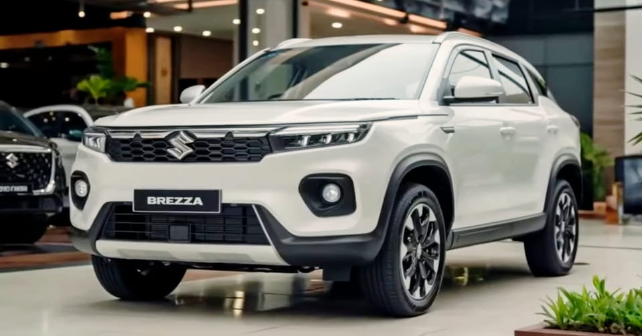
The Brezza is one of India’s best-selling SUVs. The 2026 facelift is expected to bring updated styling, improved infotainment, and a more premium feel while keeping the pricing accessible.
- Expected Price: ₹10 lakh onwards
- Engines: Petrol / CNG
- Mileage: ~20–22 kmpl (petrol), ~26–28 km/kg (CNG)
- Launch Timeline: April 2026
Best For: Budget buyers, first-time SUV owners, CNG users looking for low running cost
11. Skoda Kushaq Facelift — European Refinement at Indian Prices
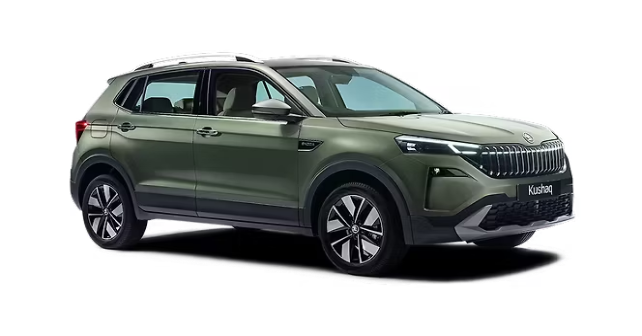
The Kushaq facelift launched in January 2026 brings a panoramic sunroof, 360° camera and Level 2 ADAS to one of the most fun-to-drive compact SUVs in India.
- Expected Price: ₹11–19 lakh
- Engine: 1.0L and 1.5L TSI turbo-petrol
- Key Features: Panoramic sunroof, 360° camera, new front design, ADAS
Best For: Driving enthusiasts, buyers wanting European build quality at affordable prices
12. Volkswagen Taigun Facelift — Sibling Gets Its Turn
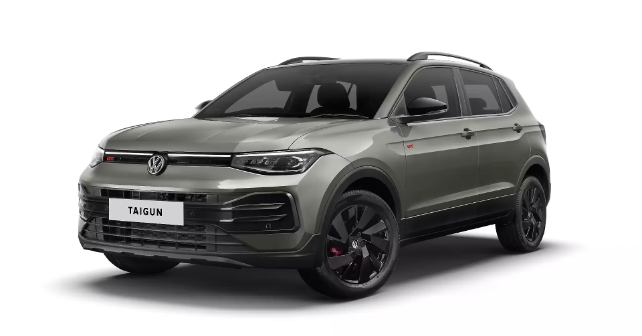
Expected in April 2026, the Taigun facelift will mirror the Kushaq’s updates, new look, new tech and upgraded safety.
- Expected Price: ₹12–19 lakh
- Launch Timeline: April 2026
Best For: Buyers who prefer VW’s understated styling over Skoda’s sportier look
13. Tesla Model 3 — The Big American EV Finally Arrives
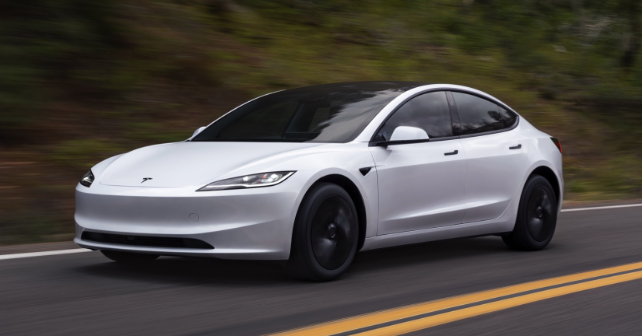
Tesla’s entry into India has been delayed for years. December 2026 appears to be the target.
- Expected Price: ₹60–70 lakh
- Range: ~570 km (standard range)
- Launch Timeline: December 2026
Pros: Global brand, Autopilot ADAS, OTA updates, supercharger network
Cons: Premium pricing, limited service centres initially, no India-specific tweaks
Best For: Premium EV buyers, Tesla loyalists, buyers willing to pay for brand cachet
14. Skoda Enyaq iV — Premium European EV
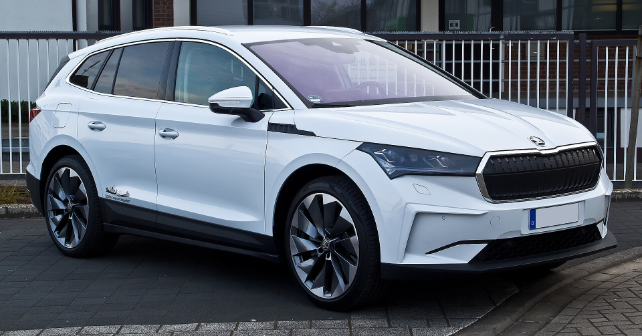
Skoda’s flagship EV arrives in December 2026, offering a premium alternative to the Mahindra and Tata EVs at a higher price point.
- Expected Price: ₹35–40 lakh
- Range: ~390 km (expected India spec)
- Launch Timeline: December 2026
Best For: Premium segment buyers wanting European EV build quality
Petrol vs Hybrid vs Electric Cars in 2026: What’s Right for You?
This is the question every Indian buyer is wrestling with right now. Let’s break it down honestly.
Cost Comparison (Approximate, mid-segment SUV)
| Factor | Petrol SUV | Strong Hybrid | Electric SUV |
|---|---|---|---|
| Purchase Price | ₹12–18 lakh | ₹15–20 lakh | ₹17–25 lakh |
| Fuel/Electricity Cost per 100 km | ₹600–700 | ₹350–400 | ₹80–150 |
| Annual Fuel Cost (15,000 km) | ₹90,000–1,05,000 | ₹52,000–60,000 | ₹12,000–22,000 |
| 5-Year Running Cost Advantage | Baseline | Save ~₹1.5–2.5 lakh | Save ~₹3.5–4.5 lakh |
Government Push for EVs in India
The Indian government is actively incentivising EV adoption. Under the FAME II scheme and its successors, EVs get reduced GST (5% vs 28% for petrol cars). Several states like Delhi, Maharashtra, Gujarat, Tamil Nadu offer additional purchase subsidies ranging from ₹1–1.5 lakh on EVs.
Reduced road tax on EVs in most states further narrows the actual on-road price gap between EVs and petrol cars.
Which Should You Choose?
Go Petrol if:
- Your daily run is 40–60 km and you travel on highways often
- Charging infrastructure in your area is limited
- You want the lowest upfront cost
Go Hybrid if:
- You drive 60–80 km daily, mostly in city traffic
- You want the mileage benefit without range anxiety
- You’re not ready for a full EV but want to reduce fuel bills
Go Electric if:
- You have a home charger or access to office/apartment charging
- Your daily run is under 80 km
- You plan to keep the car for 5+ years and want low running costs
- Petrol prices bother you every time you fill up
Latest Auto Trends in India in 2026
The EV Wave Is Real Now: India’s EV sales crossed 10 lakh units cumulatively in 2024. In 2026, the product choice has never been better from Maruti and Toyota to Mahindra and Tata, almost every major brand now has an EV in showrooms or in the pipeline.
SUVs Are Still King: Of the ~59 upcoming cars in 2026, 46 are SUVs. Hatchbacks and sedans are shrinking in share while SUVs from sub-4m models to 7-seater flagships dominate every price band.
ADAS Is Becoming Standard: Just two years ago, Level 2 ADAS (lane-keeping, adaptive cruise, automatic emergency braking) was a premium feature. In 2026, it’s appearing in cars priced from ₹11 lakh — Skoda Kushaq, Kia Seltos and even the Maruti eVitara all offer it.
Connected Cars and OTA Updates: Cars in 2026 receive over-the-air software updates, just like your smartphone. This means your car gets better over time features improve, bugs get fixed and sometimes new capabilities get added.
Budget vs Premium Shift: The sub-₹10 lakh segment is getting squeezed as buyers stretch slightly for better-equipped ₹12–15 lakh cars. The sweet spot for value in 2026 is ₹12–20 lakh where you get full ADAS, touchscreen infotainment, panoramic sunroof and solid engines.
Should You Wait for 2026 Cars or Buy Now?
Let’s be practical about this. Here’s a simple framework.
Wait If:
- You’re specifically eyeing the Maruti e Vitara, Tata Sierra EV, or Toyota Ebella, all launching in Q2 2026
- You’re on the fence between petrol and EV — 2026 EVs have better range and are more competitive on price than ever
- Your current car is functional but you want to upgrade — waiting 2–4 months for a new launch makes sense
- Year-end (Oct–Dec 2026) launches like Tesla and Skoda Enyaq may come with introductory pricing
Buy Now If:
- Your current car needs replacing urgently
- Petrol prices and dealer discounts on 2025 stock are too good to pass up (expect 2–5% discounts on outgoing models)
- You don’t need an EV and are happy with current options like Creta, Nexon, or XUV700
The Honest Answer: If you can wait 3–6 months and you’re interested in EVs or hybrids, 2026 is genuinely worth waiting for. The tech gap between 2025 and 2026 launches is significant.
Buying Guide for Upcoming Cars in 2026
How to Track Launch Updates
- Set up Google Alerts for your shortlisted model names
- Follow Autocar India, CarWale, ZigWheels, and CarDekho for spec leaks and launch dates
- Subscribe to brand newsletters — Tata, Maruti and Mahindra often send booking alerts
Booking Tips
- Most cars can now be booked online with a token amount (typically ₹10,000–25,000)
- Early bookings don’t always mean early delivery — production ramp-up takes time
- Pre-booking before launch doesn’t lock in price in most cases — wait for official pricing
Waiting Period Insights
- Diesel and AT variants of popular SUVs (XUV 7XO, Seltos) often have 3–5 month waits
- EVs at launch can have 2–4 month waiting periods as Tata Sierra EV demonstrated with its ICE version
- Plan ahead and book as soon as prices are announced for hot models
Dealer Strategies
- Year-end (October–December) is when dealers push hardest for numbers — best time for discounts on existing models
- Don’t accept accessories bundled without consent — these inflate the on-road price
- Get insurance quotes from third parties — dealer-provided insurance is often 15–20% more expensive
Price Hike Expectations
- Most manufacturers hike prices in January and July each year
- GST changes (if any in Union Budget 2026) could affect EV pricing
- Book before a price hike if you’ve decided on a model
Best Upcoming Cars by Category in 2026
Best Budget Car (Under ₹12 lakh)
Maruti Suzuki Brezza Facelift: Trusted, practical, strong resale, low maintenance
Best SUV (₹12–20 lakh)
Renault Duster (New Gen): If you want something fresh with hybrid efficiency, or Kia Seltos if you want proven reliability and strong resale
Best Electric Car
Maruti Suzuki e Vitara: Best combination of range (543 km), pricing and service network. Runner-up: Toyota Urban Cruiser Ebella for Toyota loyalists.
Best Family Car (7-Seater or Space Focus)
Mahindra XUV 7XO: The facelifted XUV700 offers the best combination of space, features and value in the mid-size SUV segment
Best Performance / Enthusiast Car
Mahindra BE 07: If you want driving excitement from an EV, Mahindra’s INGLO-platform cars are genuinely fun. For ICE fun, the Skoda Kushaq Facelift with the 1.5 TSI remains a joy to drive.
Your 2026 Car Buying Decision, Simplified
2026 is not just another year for the Indian auto industry. It’s the year EVs become genuinely mainstream. It’s the year hybrids become genuinely affordable. And it’s the year SUV buyers have more choice than ever before.
Here are the best picks to watch:
- Best overall EV: Maruti e Vitara — range, value, service support
- Best for Toyota fans: Urban Cruiser Ebella — same tech, 8-year battery warranty
- Best ICE SUV launch: Renault Duster or Honda Elevate Hybrid — value and efficiency
- Most exciting EV: Tata Sierra EV or Mahindra BE 07 — design and performance
- Premium bet: Tesla Model 3 if your budget stretches to ₹60–70 lakh
If you can wait, 2026 could offer better tech, mileage and value than anything currently in showrooms. The EV ecosystem is maturing, hybrid options are expanding and pricing is becoming more competitive.
Keep tracking the launches, book early on your shortlisted models and don’t let a dealer rush you into a purchase before you’ve seen what’s around the corner.
Prices and launch dates are expected/estimated figures based on industry sources as of April 2026. Always verify with official brand channels before booking.